Not Set
A Plymouth built ketch once thought to be abandoned at the eastern end of Hooe Lake.
Type
Ketch
History
The 71ft long, 75 GRT ketch Alfred Rooker was built in 1876 for William Thomas Kelly of Turnchapel by Isaac B. Darton at his shipyard in Mount Batten, Plymouth. The Alfred Rooker was originally in the Corunna cattle trade between Spain and Bullocks Dock in the Hamoaze. William Kelly died in 1880 leaving the ship to Elizabeth Dean of Turnchapel in his will, and in 1888 Elizabeth sold the ship to John Matthews of Turnchapel. By 1896 the ship was owned by William Holten of Oreston who used the vessel in the Newfoundland cod trade.
Newspapers of this period report ship collisions and accidents and Alfred Rooker warrants a few mentions. In December 1922 the Alfred Rooker struck the Ferriers Rocks off Guernsey on a journey from Jersey to Par in Cornwall in ballast, the Captain reported that the incident happened in blinding rain when he could not see ahead, 15 distress rockets were sent up and they burned their bedding to raise the alarm. The crew were rescued by the pilot launch from St Peter Port in Guernsey. In 1925 the steamer Walnut collided with the Alfred Rooker leaving Par in Cornwall while the Rooker was moored alongside the quay. The Rooker had her chain plate carried away, two bulwark planks damaged and some caulking started.
After WW1 the ship was relegated to the UK coastal trade under the ownership of William Stephens of Plymouth, registered in 1917 at 59 tons. Last bill of sale was in April 1930 from co-owners William Henry Stephens and John Henry Davis to Edward George Perrin of Peverell Park Road, Plymouth. Her registry closed January 1935 with a report that the ship was broken up.
Named after Alfred Rooker the Plymouth solicitor and twice Mayor of Plymouth, who is buried in Ford Park Cemetery in Plymouth.
Langley and Small suggested that there were three vessels abandoned together in the middle of the lake, and one was the Alfred Rooker. However early aerial photographs only show two hulls and a drone survey only showed the remains of two vessels, which we think are Amazon and Bulla. See Alfred Rooker, Amazon or Bulla?  .
.
This vessel was mentioned in the book Lost Ships of the West Country by Langley & Small as one of three vessels side by side at the east end of the lake. Their map of Hooe Lake describes this as an 'unidentified barge', 'one of three vessels moored alongside each other and floating every high tide, they gradually fell into this decay'. John Cotton reported that this was the remains of the Millbrook passenger ferry Cornubia but does not state his source.
Description
The lower part of the vessel is all that remains, including keel, part of the sternpost, lower frames, inner and outer planking and stringers. A detailed archaeological report on this and the other hulks we investigated is currently being written.
Location and Access
Hooe Lake, Oreston, Plymouth
From Oreston, take the Lower Saltram road off Plymstock Road then turn right into Kingfisher Way. Follow the road down to the lake and there is a car park at the end. The wreck partially covers at high tide springs so plan a visit to coincide with low water, the foreshore is accessible when the tide height is less than 2.5m above chart datum. The foreshore round the wreck is soft mud so appropriate footwear is needed.
Nearby hulks include the lighter Arthur , the fishing boat Hooe Lake 1 , Brixham trawler Wendew , unknown vessel Hooe Lake 3 , the passenger ferry Cornubia .
Last updated 01 October 2026



Information
Date Built:
1876
Type:
Ketch
Builder:
Issac Darton, Mount Batten, Plymouth
Official Number:
68350
Length
21.6m / 71ft
Beam
5.9m / 19.5ft
Depth in Hold
2.8m / 9.2ft
Construction
Timber, carvel
Propulsion
Sail
Tonnage
75 tons
Portmarks
None
Outcome
Not hulked in Hooe lake, probably broken up 1934
Reference
Unknown
.
Not Set
Leave a message
Your email address will not be published.
Click the images for a larger version
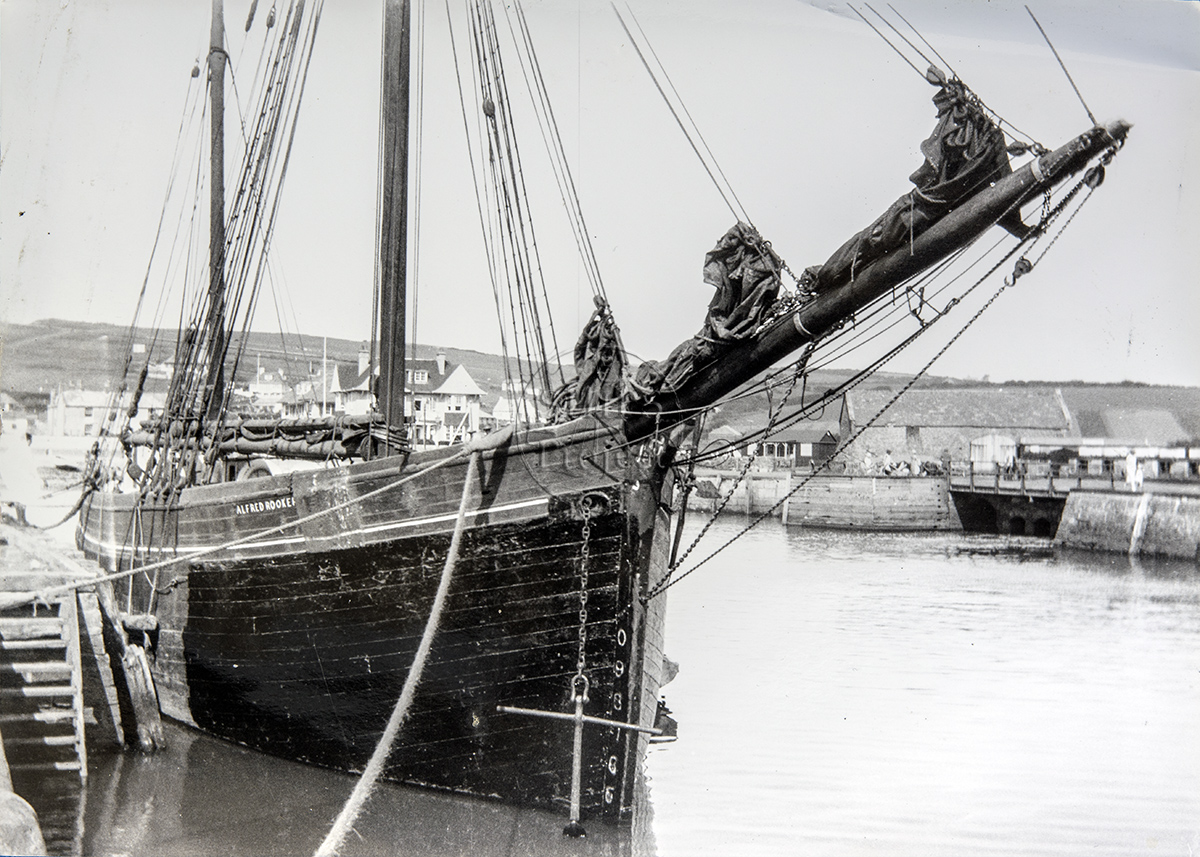
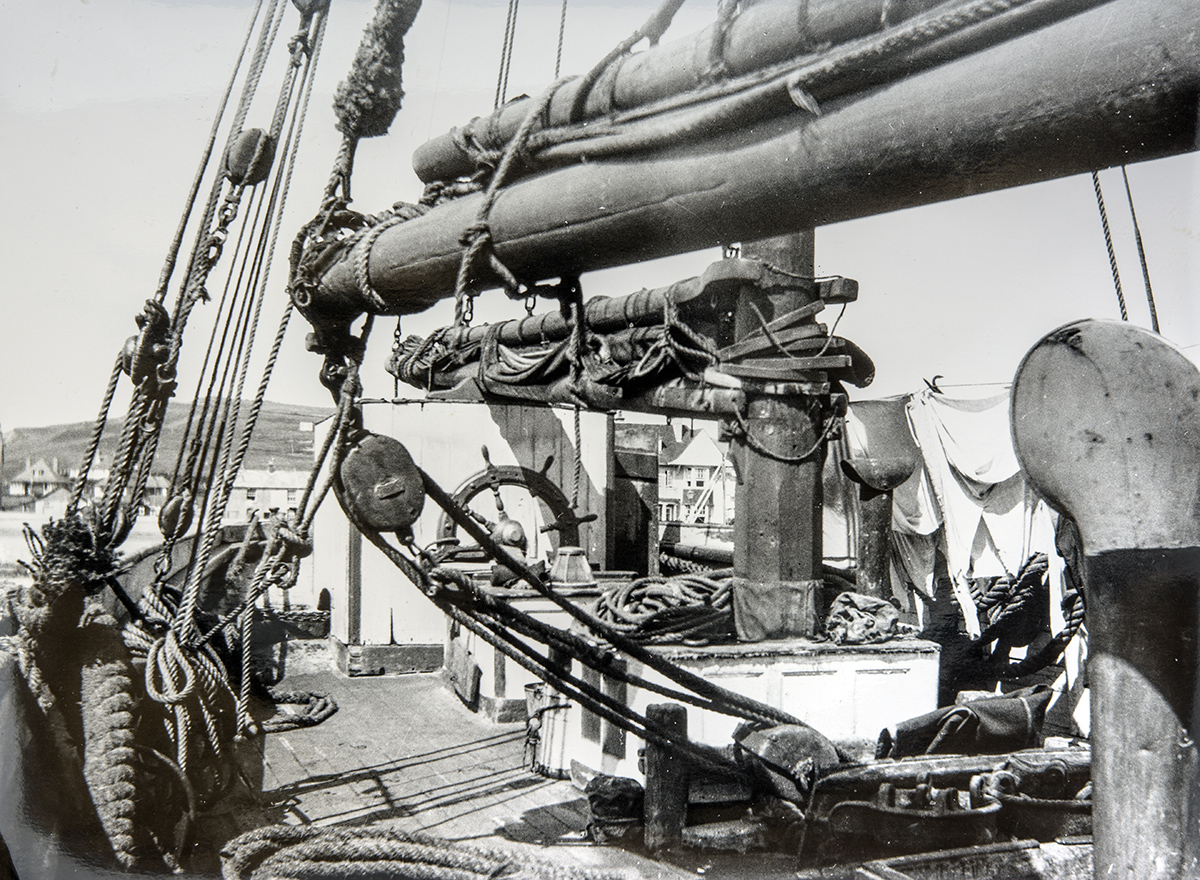
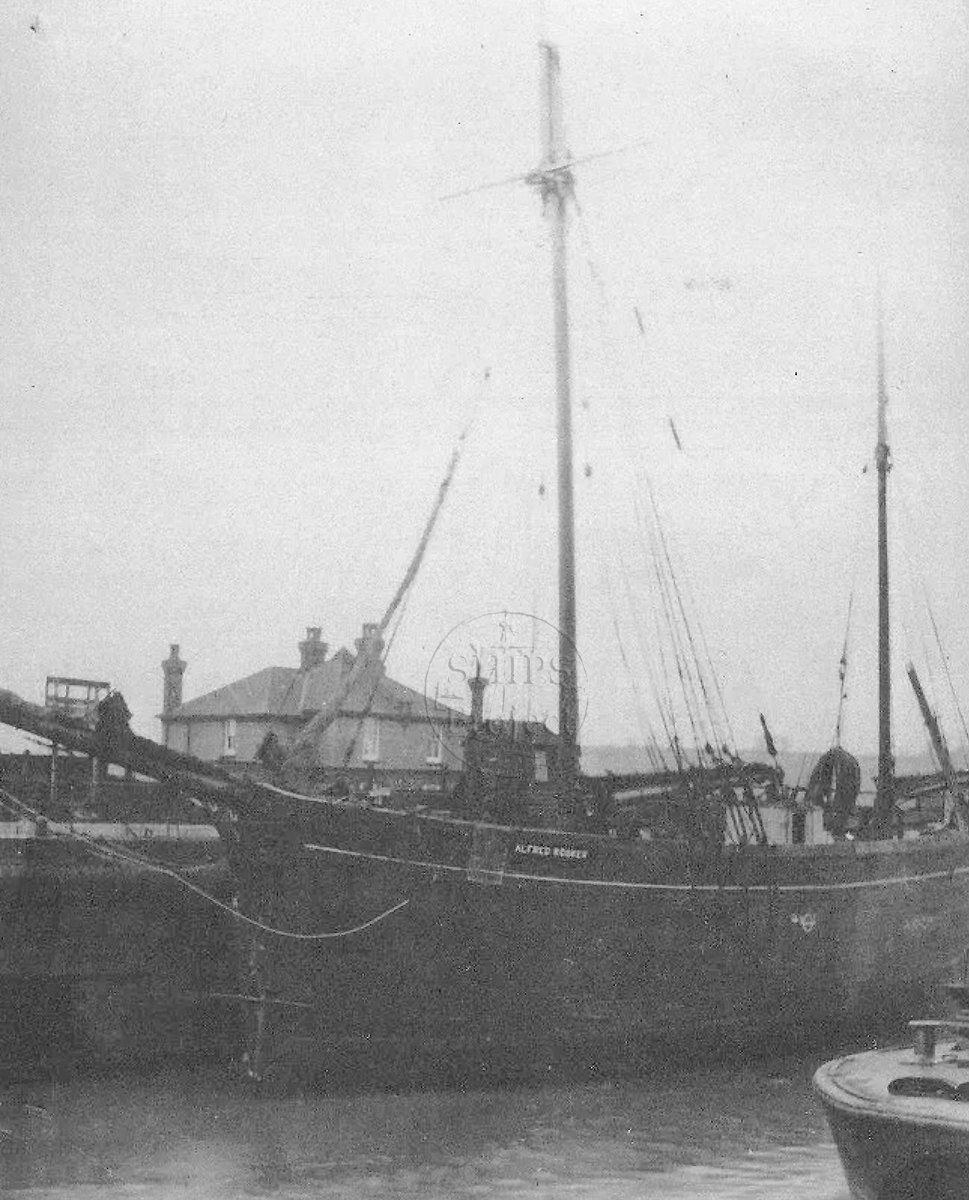
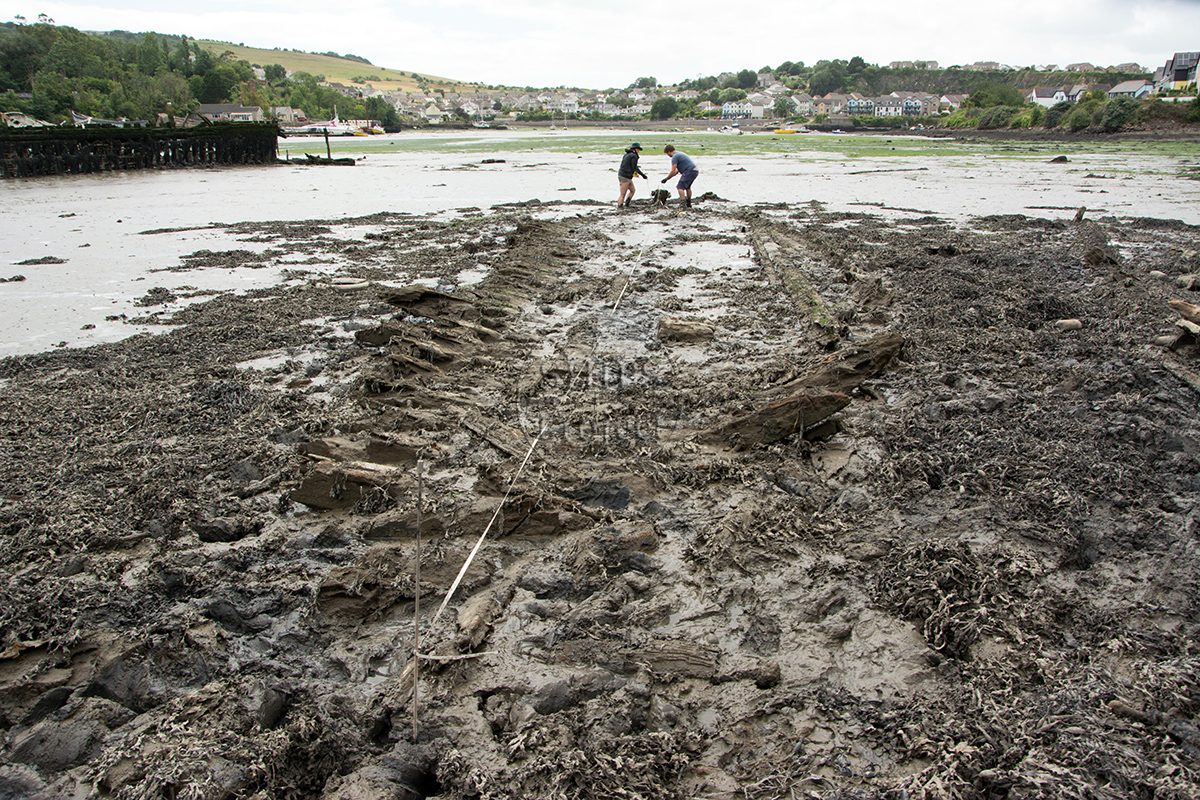
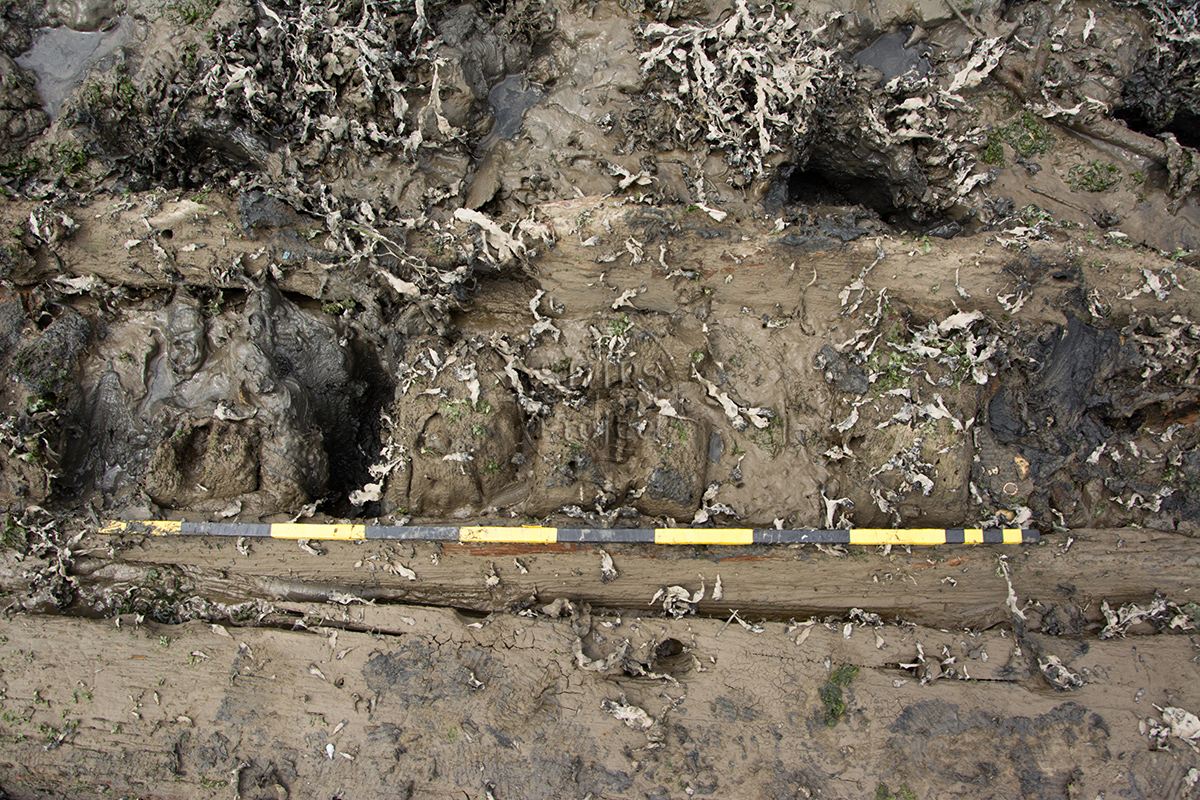
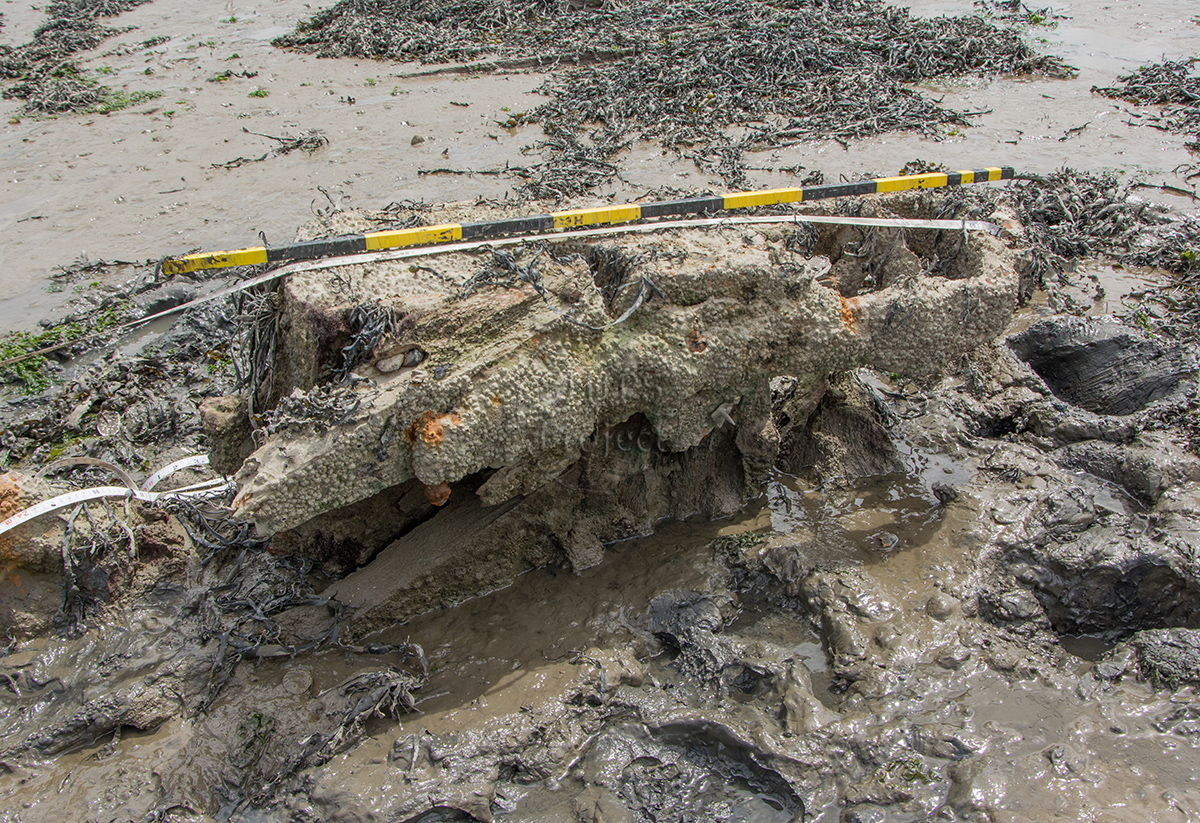
Image use policy
Our images can be used under a CC attribution non-commercial licence (unless stated otherwise).