Not Set
The ex-Royal Navy frigate HMS Scylla was scuttled in Whitsand Bay in 2004 near the wreck of the Liberty ship SS James Eagan Layne  .
.
Type
Royal Navy Leander Class frigate
History
On a Saturday afternoon in March 2004 a crowd of people gathered along the cliffs of Whitsand Bay in Cornwall to see an unusual spectacle. In the distance the crowd could see the Leander class frigate HMS Scylla stripped of her masts and funnel, anchored in the bay with her bows facing the English Channel. The Scylla was surrounded by a flotilla of small boats which were kept at a safe distance by a number of official craft. Five years of planning came to an end just after 3.30pm that day when explosives were set off inside the ship and she disappeared in a puff of smoke and ended up lying upright on the seabed below.
Scylla was the last warship to be built at Devonport dockyard having been launched in August 1968 and commissioned in 1970. By the 1980s the Leander class were in need of modernisation so an extensive refit programme was undertaken. Scylla was refitted between November 1980 and December 1984 in Devonport. The 4.5in gun originally fitted to the ship was replaced by Exocet anti-ship missiles, the Seacat missiles were upgraded to a Seawolf missile system and the sonar and helicopter capability was improved. It was her upgrade to these weapon systems which prevented Scylla from taking part in the Falklands War where many British casualties resulted from Argentine use of Exocet missiles.
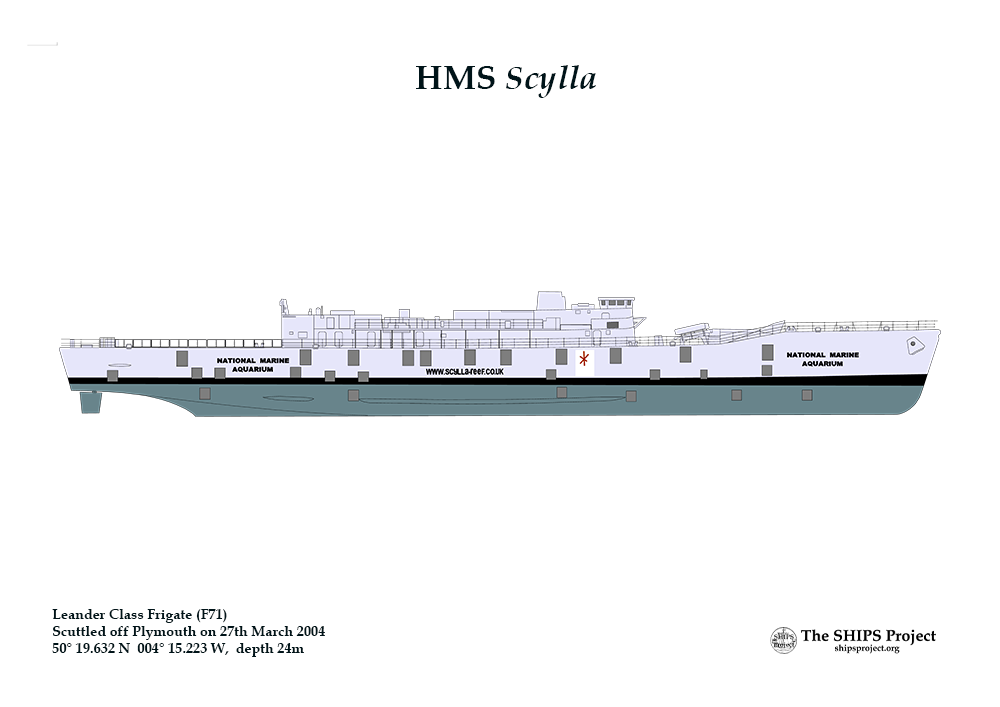
Drawing of the Royal Navy frigate HMS Scylla, click the image for a larger version
The idea for sinking a wreck in Whitsand Bay as an artificial reef was dreamed up in 1999 by a group of divers from Plymouth, Nick Murns, John Busby and Nigel Keitley, who formed a group called the Artificial Reef Consortium. The idea was to create a new habitat for marine life on a flat and featureless seabed alongside the wreck of the Liberty ship James Eagan Layne. The project got bogged down in red tape but moved forward in 2003 when the project was taken on by the National Marine Aquarium in Plymouth who secured public funding to prepare and sink the ship. the NMA purchased HMS Scylla for £200,000 in November 2003.
The artificial reef was licensed by Department for Environment, Food and Rural Affairs (Defra) following the completion of an Environmental Impact Assessment which was completed with the help of The SHIPS Project. Scylla returned to Devonport dockyard on the 8th November 2003 to commence a five month programme of preparatory work to be made environmentally sound according to standards laid down by Defra. Any hazards or harmful materials were removed in order to make the ship fit for the seabed and marine life. Once complete, the ship then had all diving hazards removed. Potential snagging hazards were eliminated, doors welded shut or open to ensure diver safety, and additional diver access holes were opened up throughout the four-deck ship. The main mast and funnel were removed as were the sonar domes and propellers.
The Scylla was sunk in the afternoon of 27th March 2004 within half a nautical mile of the James Eagan Layne . The 46 demolition charges fitted to the hull were fired by environmentalist David Bellamy and schoolboy Daniel Green. The charges blew holes in the hull as a series of controlled explosions and the Scylla sank to the bottom. Among those observing the Scylla's final descent was Captain Mike Booth, the Scylla's last commanding officer.
The wreck has subsequently been monitored by the National Marine Aquarium as she has rapidly become colonised with anemones, hydroids, sea fans and dead men’s fingers in addition to shoals of fish, see Marine Life Study below. As part of the monitoring programme required by Defra, a number of studies of scour formation around the hull have been completed by MSc hydrography students at the University of Plymouth. Scour occurs at the sea floor when sediment is eroded from an area of seabed in response to forcing by waves and currents and the monitoring was done to check that the addition of the wreck did not have an adverse effect on the seabed.
At the time the Scylla was scuttled she was said to be the first artificial reef in Europe, when in fact she was the third after the Glen Strathallan in 1970 and the pilot cutter Tavy in 1995 which were also sunk off Plymouth.
Diving the Scylla
She lies on a gently sloping area of relatively featureless sandy seabed, with her bows to the south-west, listing to her starboard side, at between 21.2m CD at the bow and 19.9m CD at the stern. It is possible to access the superstructure and significant parts of the interior – this was further facilitated through the removal of sections of the hull. Each space has two openings for access and/or egress. Where spaces were deemed unsafe they have been physically blocked off and entrances closed and locked, such as the engine room. Divers have been given access to the superstructure, all of decks 1 and 2 and partial access to decks 3 and 4. Diving highlights include the captain's cabin, the bridge, galley, mess decks and living accommodation, operations room and the engine room.
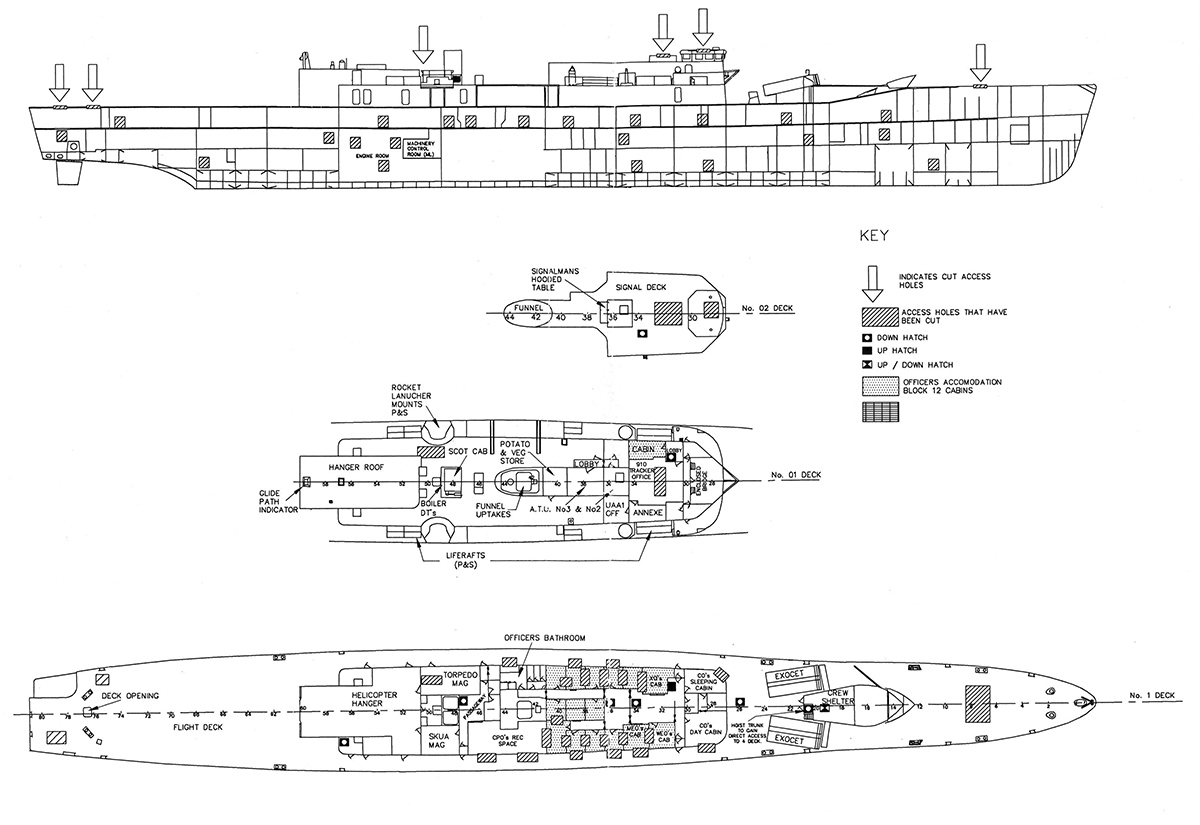
Site plan of HMS Scylla, click the image for a larger version [NMA]
March 2017 NMA said that the interior of the wreck was now unsafe for diving because of deterioration to the structure caused by adverse winter weather and dissimilar metals used in the original construction.
Many interior walls have now collapsed, as has much of the helicopter hanger due to having been hit by a mooring block, so Scylla’s interior is now much more like other wrecks. Scylla is a popular dive site and is visited by many hundreds of divers each year. Like all shipwrecks, Scylla contains silt which can prevent divers recovering exit points so, despite all the preparation that went into her preparation for sinking as a diving attraction, she should still be dived with the respect she deserves.
Location and Access
Whitsand Bay, Cornwall
Nearby wrecks include the James Eagan Layne , HM Submarine A7 , the Rame Barge / Leen and the steam collier Rosehill
Last updated 23 August 2025
Links
- The late Peter Mitchell's Submerged site
- Revealing the reef: 10 years of marine life settling on ex-HMS Scylla, Keith Hiscock, 2014
- An Assessment of the SocioEconomic Impact of the Sinking of HMS Scylla, University of Plymouth, 2003
- The Virtual Scylla: An exploration of "serious games", artificial life and simulation complexity, Prof. Robert Stone et al., 2009
- Colonization of an artificial reef in south-west England—ex-HMS ‘Scylla’, Dr Keith Hiscock et al., 2010



Information
Date Built:
1968
Type:
Royal navy Leander class frigate
Builder:
HM Dockyard, Devonport
Owners:
Royal Navy then National Marine Aquarium
Official Number:
F71
Length
113.4 m (372 ft)
Beam
12.5 m (41 ft)
Draft
5.8 m (19 ft)
Construction
Steel
Propulsion
Steam turbine, 30,000 hp
Tonnage
3300 tons displacement
Armament
None
Master
None
Crew
260 in service
Portmarks
None
Date of Loss
27 March 2004
Manner of Loss
Decommissioned 1993, Scuttled 2004
Outcome
Abandoned
Reference
NMR 1526504
Deep Impressions - HMS Scylla Fine Art Print
Our friends at Deep Impressions have created a beautiful fine art print of HMS Scylla sunk of the bottom of Whitsand Bay. You can order your own copy of the print here, size 465 mm x 386 mm :
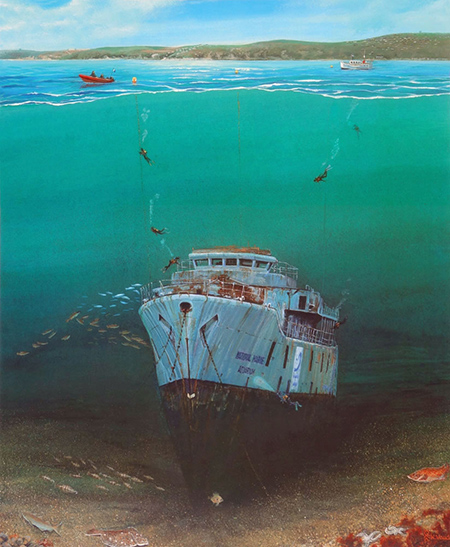
HMS Scylla by Deep Impressions
Not Set
Leave a message
Your email address will not be published.
Click the images for a larger version
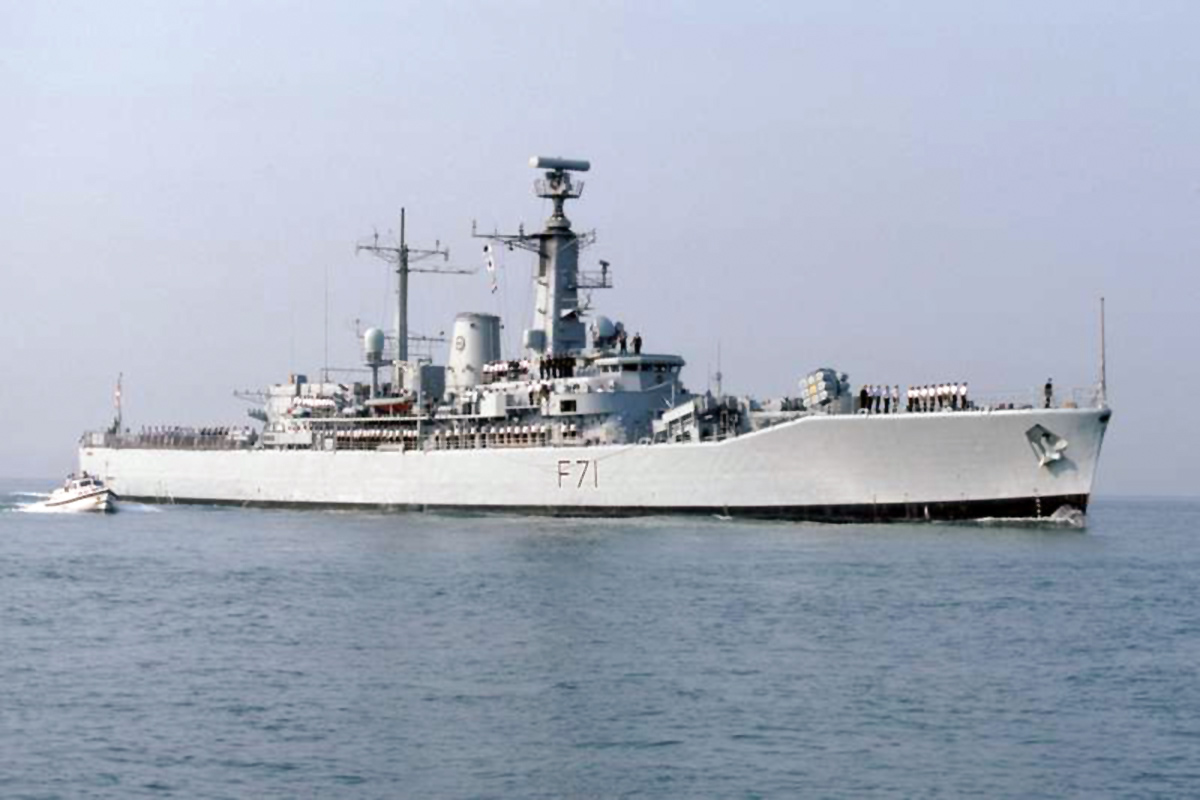
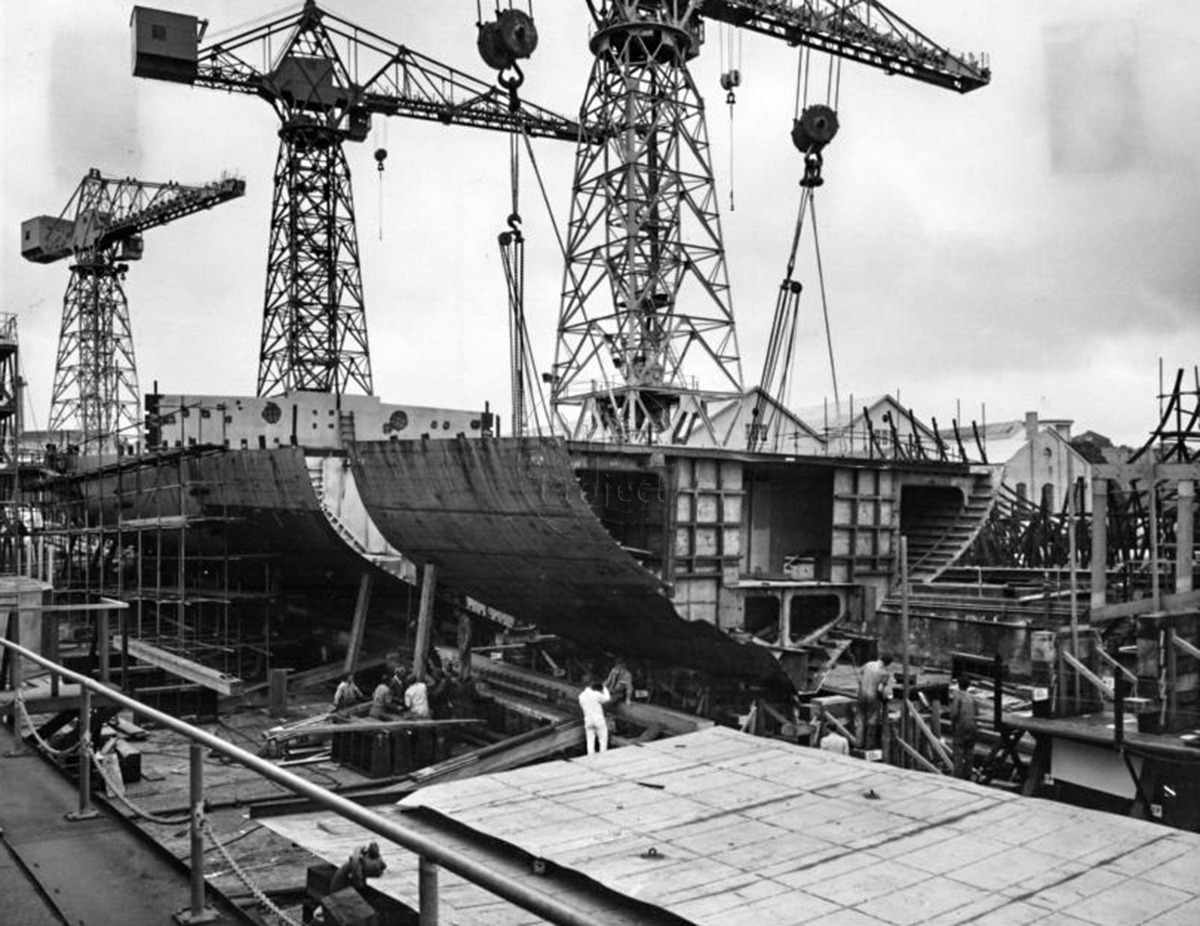
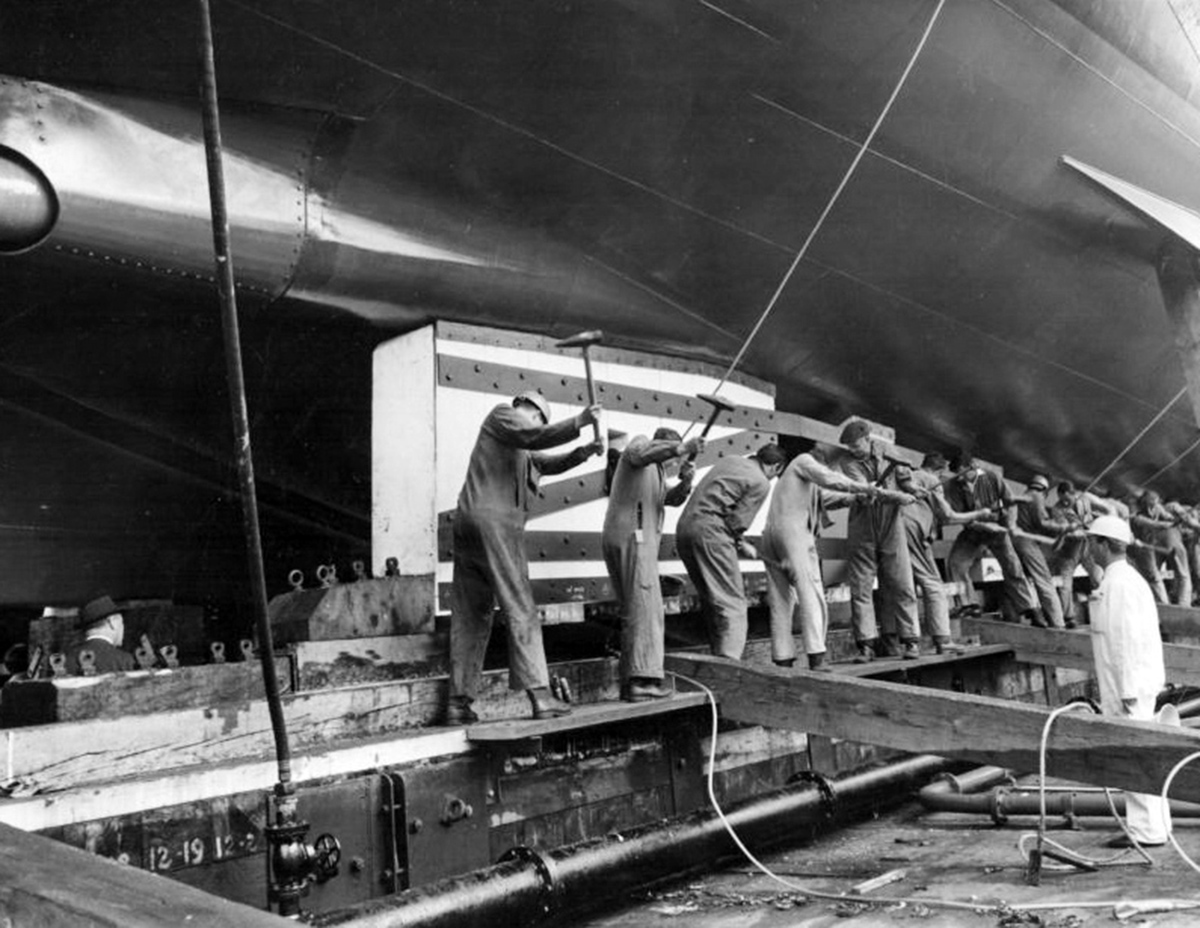
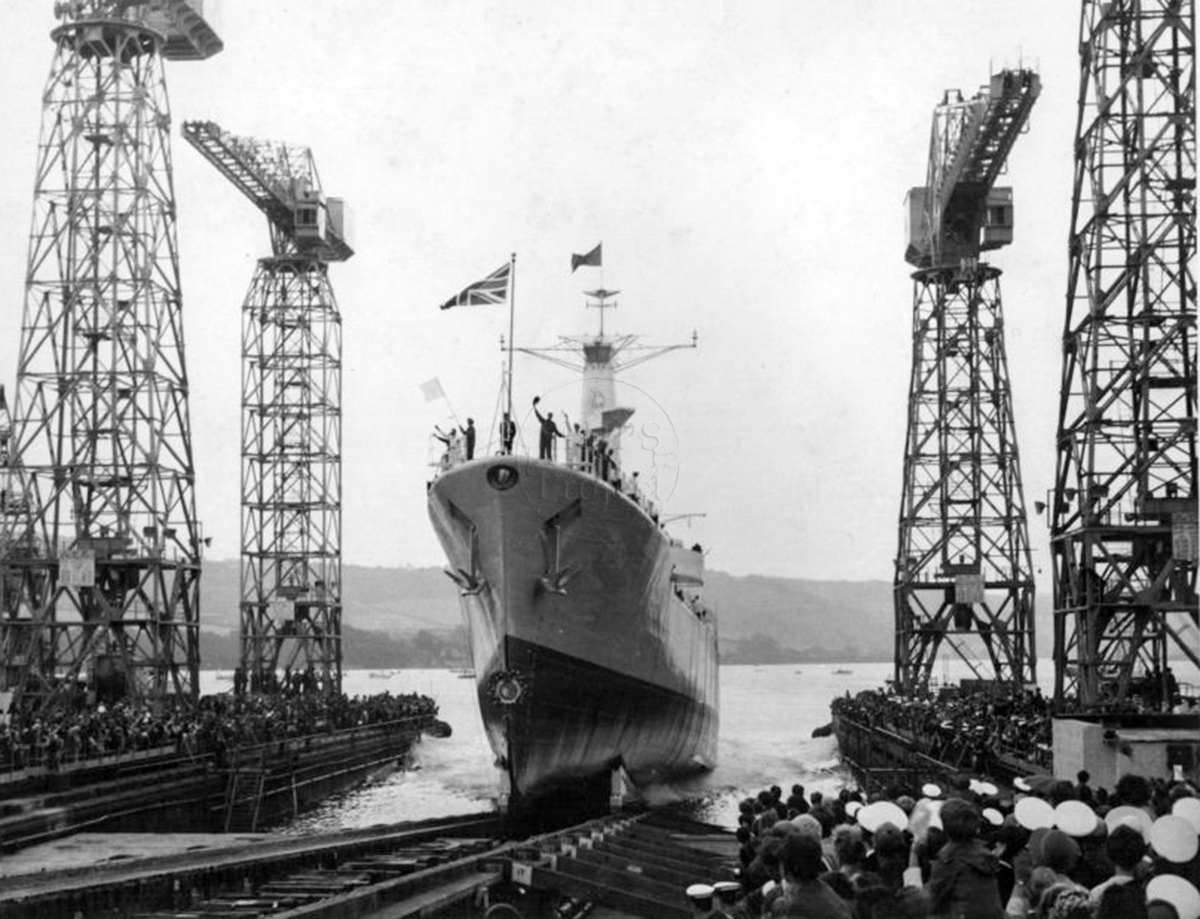
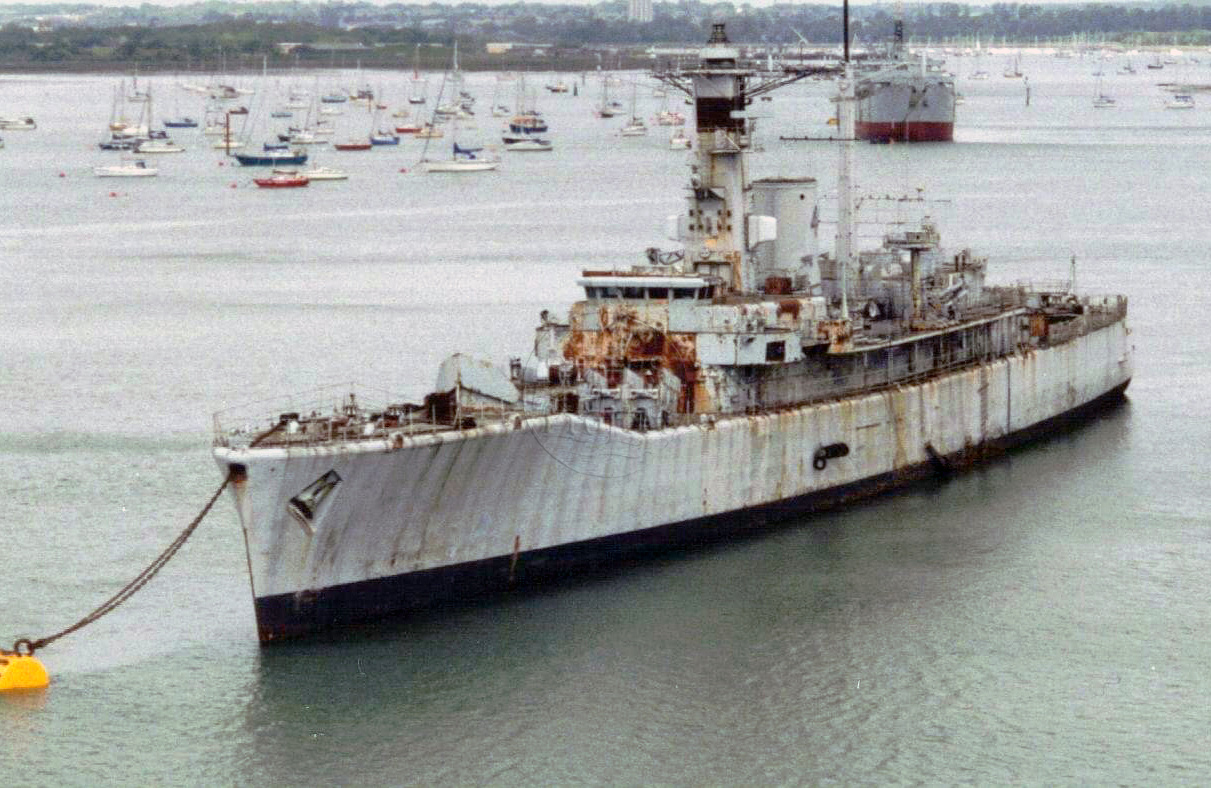
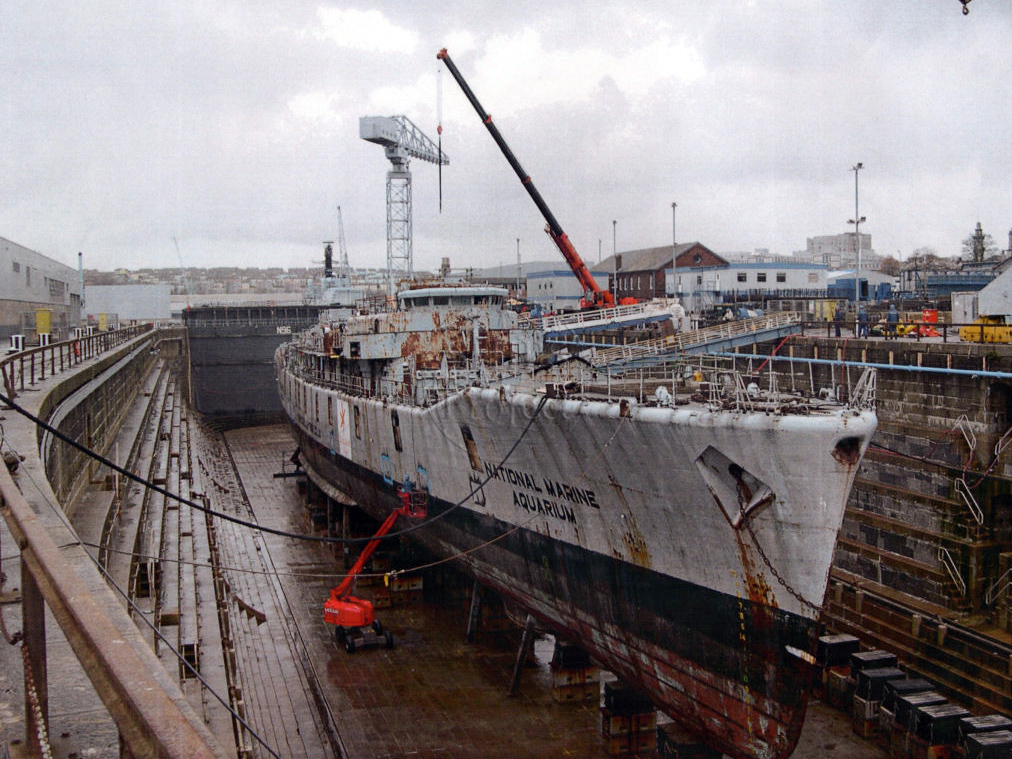
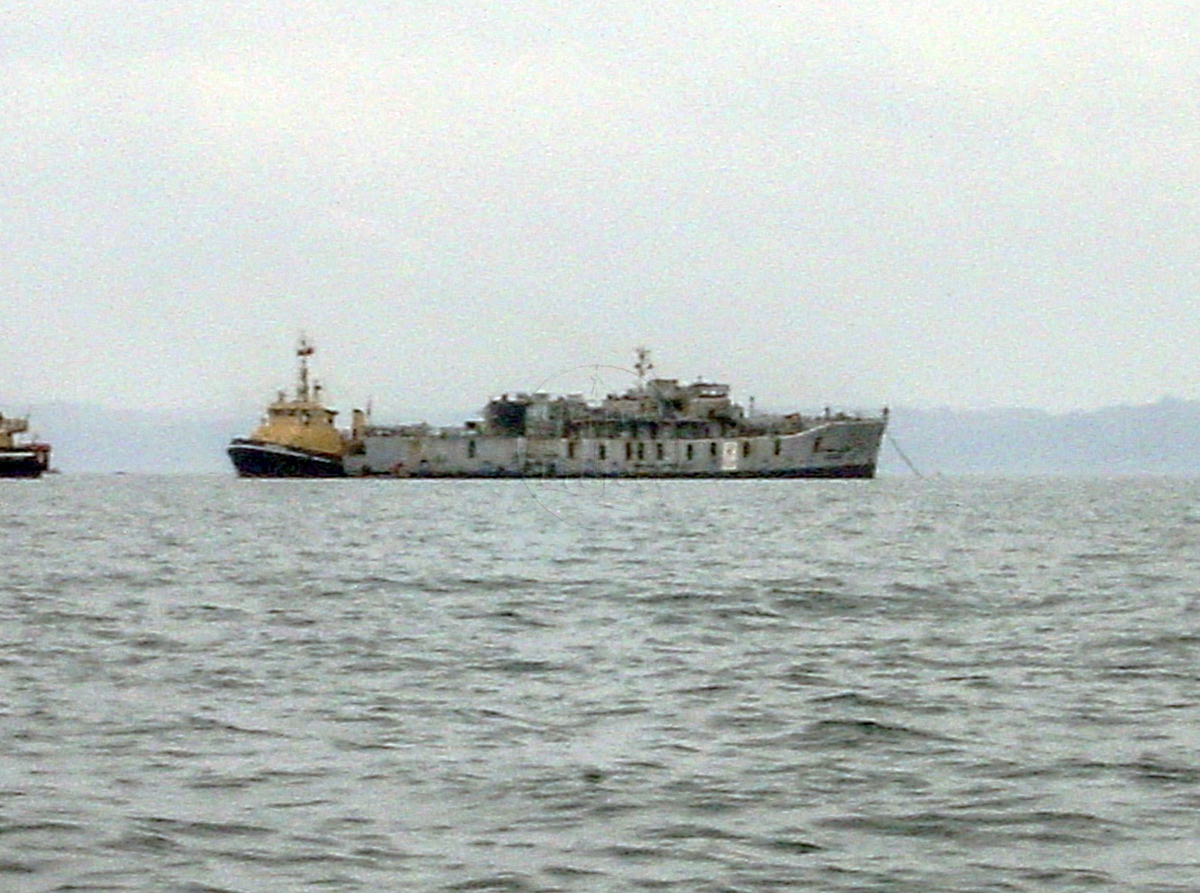
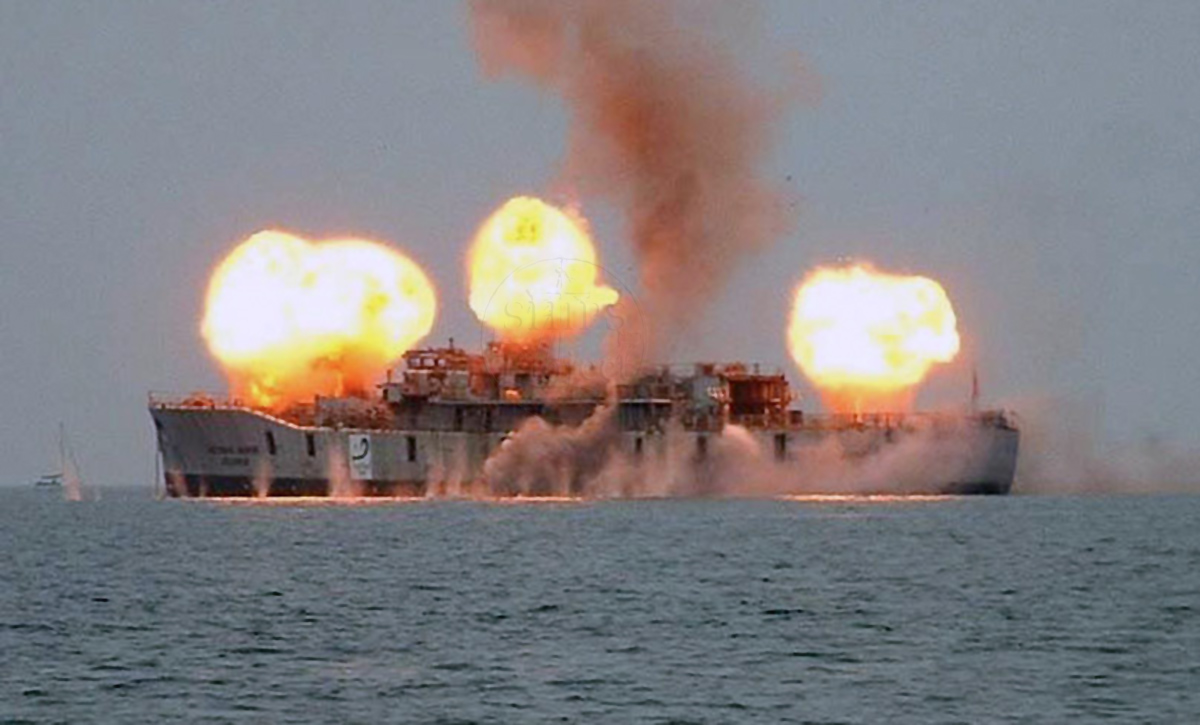
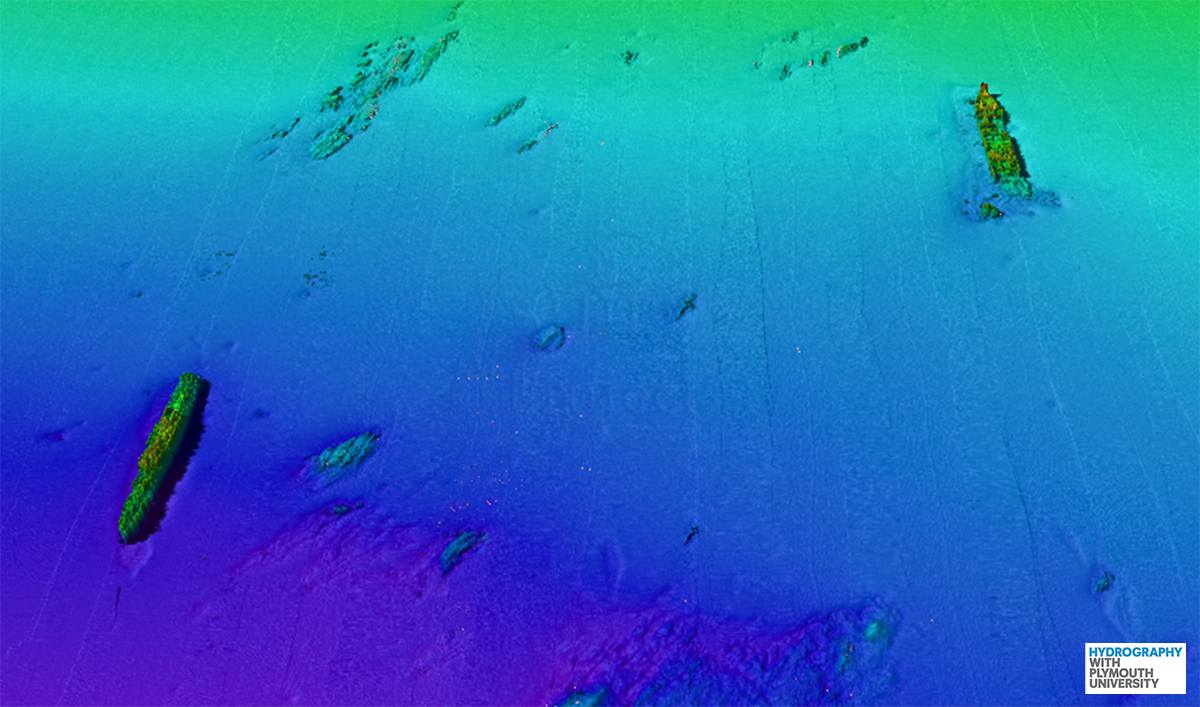
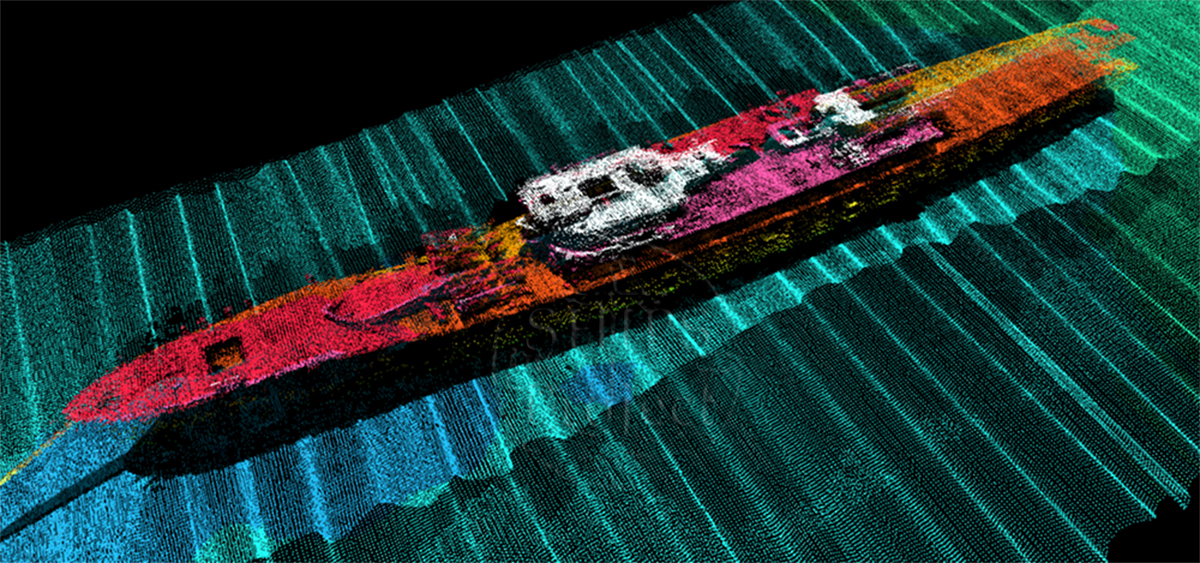
Image use policy
Our images can be used under a CC attribution non-commercial licence (unless stated otherwise).