The Stray Finds Project - Recording Objects Found Underwater
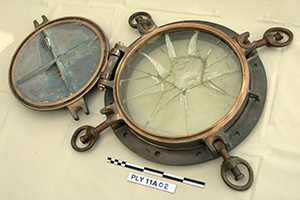
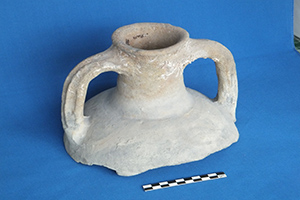
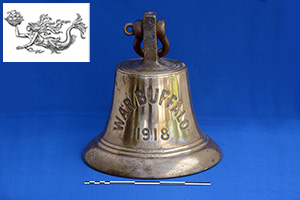

Divers have always recovered objects from under the sea; sometimes the objects have been taken from a shipwreck and sometimes they were found on their own. The object may be well cared for and be displayed on a shelf or it may be left forgotten in a garage. In most cases the objects have not been recorded or photographed so they are a missing piece of our shared maritime history.
The Stray Finds Project team is tracking down these lost objects, recording them and publishing what we find in the hope that they may help tell an untold story:
- Locate - We track down objects found by divers.
- Record - We record and photograph the objects so their story can be told.
- Rescue - We rescue important or unwanted objects and give them to museums
It is sometimes thought that divers do not find anything historically important, but from what we have seen it is not just brass and bottles! The objects may be a clue to a hidden shipwreck, they may provide the answer to a historical mystery or be the only surviving evidence of an event that happened many years ago. So far we have recorded many historical objects like cannons, ancient stone anchors and Roman amphoras.
How you can help:
- Do you have any objects found under the sea that we could record?
- Do you have tales of early diving in the South Coast of the UK?
- Do you know of any divers that can tell us about diving in the UK before 1980?
- Do you know of anyone that would like to donate their finds to the Stray Finds Project?
Mission Statement:
The Stray Finds Project aims to record objects recovered from the sea, and the ihe information we record about the objects will be published on our website and on social media. The Stay Finds Project can provide conservation advice and also offers assistance to re-home any unwanted objects to relevant museums.
Objects Found Underwater and on the Beach
Objects of all ages and types can be found on the bottom of Plymouth Sound and its estuaries. Some objects will have been lost in shipwrecks, some accidentally dropped overboard, some deliberately placed in the sea, but all are part of the story of Plymouth.
People have been recovering objects from the seabed centuries, first by wading in shallow water, then using diving bells and dredgers, with standard dress divers but more recently by free swimming SCUBA divers. Some of the objects will have been recovered for profit to be melted down as scrap metal or salvaged timbers to be reused for a new boat or house. But many of the things found in the sea have ended up in the houses of the people who found them, displayed on the mantelpiece or left forgotten in the garage or garden.
The SHIPS Project team are interested in any of the objects that have been recovered from underwater as all will have a story we can learn about. We collect information about things that have been found then share it with other people who may have found something similar or are doing research. Often we get people telling us more about what we have found as they recognise something we have put on the web site that they have seen before.
For each object or find we take photographs and record some basic information, then put it all on a web page on this web site. For the more unusual or special objects we may also do a drawing of it as that can sometimes tell you more than just the photographs and description. The photographs and description can be done by you and simply sent to us to add to the site. For more important objects we like to photograph them ourselves so we either visit you to take photographs or borrow the objects for a day or two. All objects are returned to the finders, we don't keep any of them unless they are no longer wanted in which case we donate them to a local museum.
Objects recovered from the sea that have come from wrecks must be declared to the Receiver of Wreck. The Receiver of Wreck deals with cases of voluntary salvage wreck material across the UK, and makes sure that the interests of both salvor and owner are taken into consideration. For more information click here  .
.