Not Set
Remains of a steamship wrecked on the beach at Andurn Point, near Bovisand.
Type
Steamship, collier
History
The steam collier Vectis ran ashore on Monday the 5th of February 1912 at Andurn Point on the east side of Plymouth Sound shortly after unloading her coal cargo in Plymouth. Making for Swansea in ballast with a crew of 16 on board, the Vectis drove ashore on a clear night with only moderate winds. The Vectis was an iron built two-masted steamship built by J. Laing in Sunderland in 1877 and was designed to be used in the coasting trade. The ship was initially owned by W. Hill & Co. of Southampton but by 1903 she was in the hands of the John George Hill Steam Shipping Co. Ltd., with managing owners John Witherington and Harry Everett of Sunderland.
The master of the Vectis was George Hurst; he had been in the vessel for one month and his chief officer Thomas Roberts had been in her for seven years. Roberts was from Plymouth and was well acquainted with the local waters having fished out of the port for a time. On her last voyage, the Vectis arrived in Plymouth on the 3rd of February with 1100 tons of coal for the Plymouth Co-Operative Society, she came alongside in Sutton Harbour and her crew set about discharging the cargo. The Roberts got the skipper's permission to go to his home in Plymouth while the ship was being unloaded but he was given explicit instructions to resume his duty in good time. Roberts reported for duty on board on the evening of the 5th just as the ship was about to sail. The Master, Hurst, saw Roberts come on board and noted that Roberts was late because the crew were already busy getting ready to leave and the ship was being unmoored. Hurst told Roberts to hurry up, but didn’t notice anything was amiss at the time. However, it soon became evident that the mate had enjoyed his time ashore a little too much.
Once free of the dock, the Plymouth pilot steered the Vectis out of Sutton Harbour and headed for the Western Channel past the Breakwater. Once past Melampus buoy the pilot left the Vectis in the hands of the Master and returned to shore in his own boat. The weather was dark but clear with some sleet but the lights around the Sound were clearly visible. The Master steered the vessel out of the Sound, past the New Grounds Buoy and set a course south and a little west to clear the west end of the Breakwater. When abreast of the Knap Buoy and in clear water the Master ordered a heading due south and full speed ahead, handed over the ship to the mate before heading below to plot a course westward to the Lizard and on to Swansea. The mate took charge of the bridge with able seaman Matthews at the wheel and able seaman Moore as lookout on the forecastle head. Shortly after taking control the Chief Officer ordered hard a starboard and steadied her course heading south-east. A few minutes later he gave a further order to turn to starboard eventually bringing the ship on to a heading of east-northeast. Soon after the lookout saw breakers ahead and called out ‘Full Speed Astern’ but got no reply, so he called ‘Is anyone on the bridge?’ The Chief Officer finally replied just as the Vectis drove hard ashore on Andurn Point on the East side of Plymouth Sound.
Rocks on both sides of the forehold ripped into the bottom plates of the Vectis, and she rapidly took on water. It was high tide, so the collier had gone ashore at the worst possible time, and there was a ground swell running, so the hull was lifting and dropping on the rocks. The Vectis ended up on the shore pointing east on an even keel, jammed between rocks on each side and with rocks at her stern, and waves crashing over her quarter The boats were swung out over the side, blue lights were burnt and rockets fired to summon the lifesaving apparatus from Mount Batten and the lifeboats from Plymouth and Yealm. The master ordered the crew to abandon ship, telling the Chief Officer to leave in the port lifeboat, he refused so the second officer took charge and left. The Master left in the second boat about an hour later, having searched the ship for the Chief Officer but with no success. Roberts was last seen on the forecastle head where had apparently gone to fetch a lamp, but two ropes over the bow of the ship hinted that he had escaped to shore as the Vectis was now high and dry.
Both ship’s lifeboats returned safely to Sutton Harbour with their crews. The Master declined to make any statement about the cause of the wreck, saying “I am not in a mood to talk about it, and the only place I desire to go at present is my bed”. The crew followed the Master’s example and also declined to comment at that time. The next morning the Master and crew returned to the stranded ship to find Roberts still there, he lowered a boarding ladder to enable them to get back on board. On asking where he had been, Roberts said that he had remained on board that night.
Vectis was holed on the starboard side, and all the holds were flooded. At high water the Vectis was practically full, with 1.5m of water in the aft hold. Representatives of the owners and insurers visited the wreck as did those who were interested in salvaging her. But the Vectis was too badly damaged and was abandoned where she lay, she would eventually be smashed to pieces during the Christmas hurricane of 1912.
During the enquiry, the Master, second officer and second engineer said that they had not noticed anything wrong with the Chief Officer, yet the helmsman Matthews, the lookout Moore and the forecastle hands said that he was most definitely drunk. The ship was on the correct course when the Master handed over the con to the Chief Officer, and it was by his actions that the vessel ended up ashore. The court found that the loss of the vessel was due to the Chief Officer being drunk, but as he had no certificate there was little they could do to punish him other than fine him £10. The Master George Hurst was censured for failing to spot that the mate was drunk before leaving him in charge of the bridge.
Visiting the Vectis
Andurn Point, Bovisand, Plymouth
Directions from Plymstock, take Bovisand Road through Staddiscombe, turn right into Renny Road then right again into Bovisand Lane following the road to Bovisand Park (PL9 0AT). Take a parking ticket if required then drive to the end of the road and park on the grassy area by the sea. Follow the footpath south for 300m, climb down to the rocks and look for iron debris.
Today, the scattered wreckage of the Vectis can be seen along the shore from the edge of Bovisand Bay round to Renney rocks. On the shore can be seen iron plates, stud link anchor chain and broken, unidentifiable iron objects welded to the rocks by the action of the sea and corrosion. Fragments of bottles and plates can also be found, but these may not be from this ship, as Plymouth Sound is full of Victorian rubbish and the beaches all around are covered in whatever the sea throws up. It is also possible to do a shallow shore dive on the remains that lie partly buried in the sand between kelp-topped rocks in about 6m depth. The sand moves in this area so sometimes the broken hull is exposed and others its completely buried, but it’s a pretty dive on a sunny day. The site is largely protected by Renney Rocks, but large waves can make entry and exit difficult. Access to the shore is through narrow gullies, which can be difficult to relocate at the end of the dive so you may not come out where you went in!
Nearby hulks include the August Smith  , Yealm 1 and Yealm 2
Last updated 23 March 2026



Information
Date Built:
1877
Type:
Steam collier
Builder:
J. Laing in Sunderland, yard number 226 or 386
Official Number:
76835
Length
64.8m / 212.5ft
Beam
9.3m / 30.5ft
Draft
4.9m / 16.0ft
Construction
Iron
Propulsion
Steam engine, 90hp two cylinder surface-condensing, George Clark of Sunderland.
Tonnage
907 GRT
Portmarks
None
Outcome
Wrecked 1912
Reference
NMR 1070097
Not Set
Leave a message
Your email address will not be published.
Click the images for a larger version
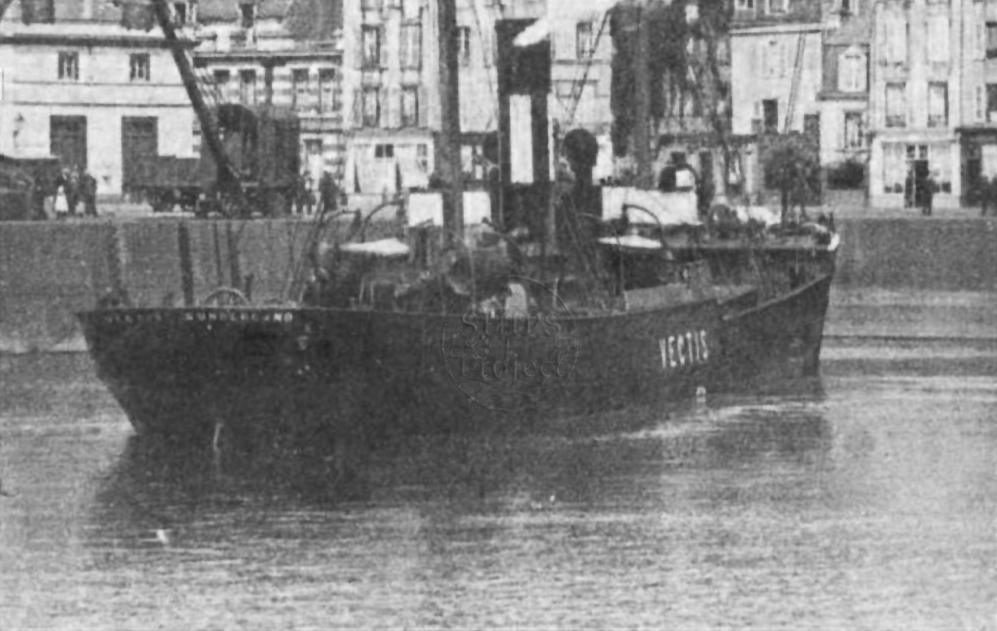
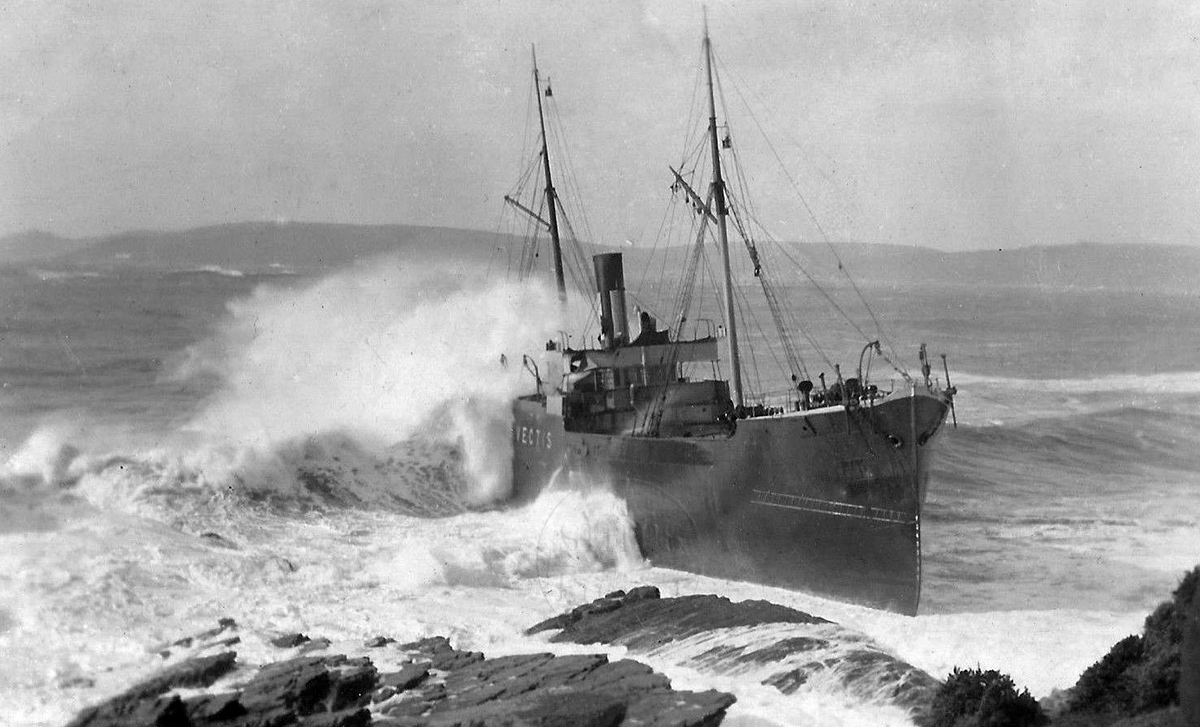
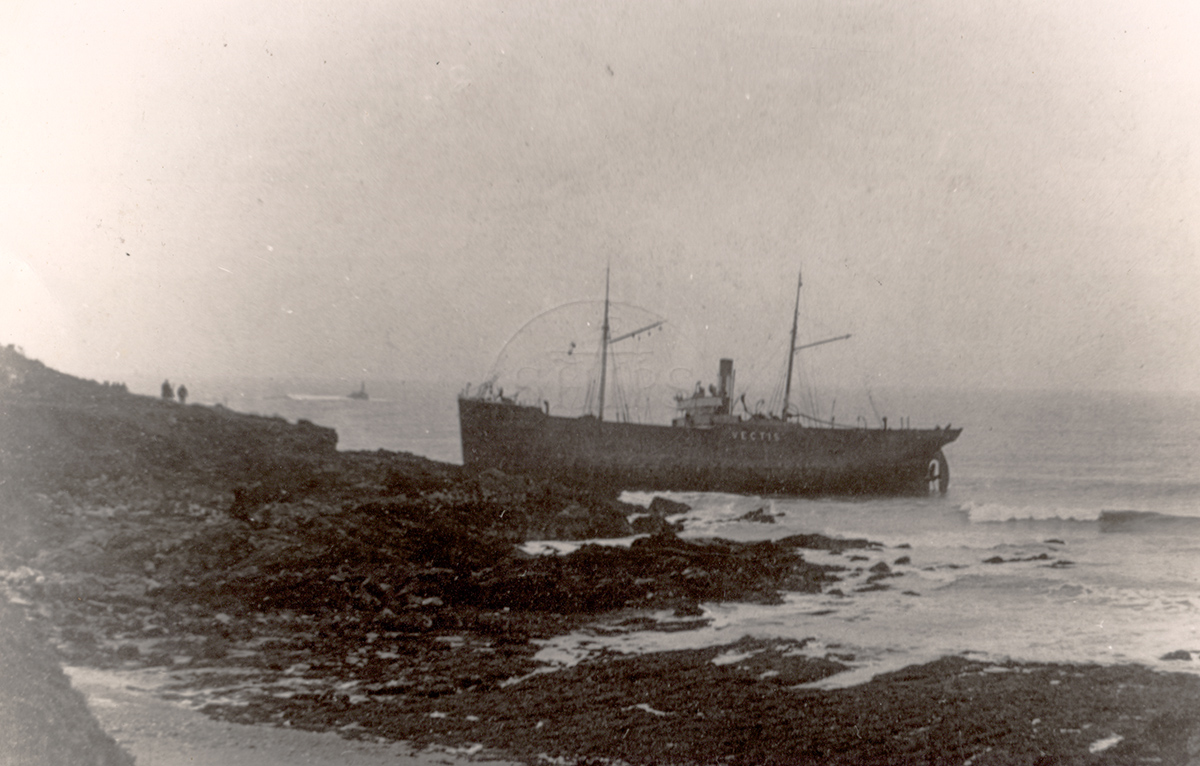
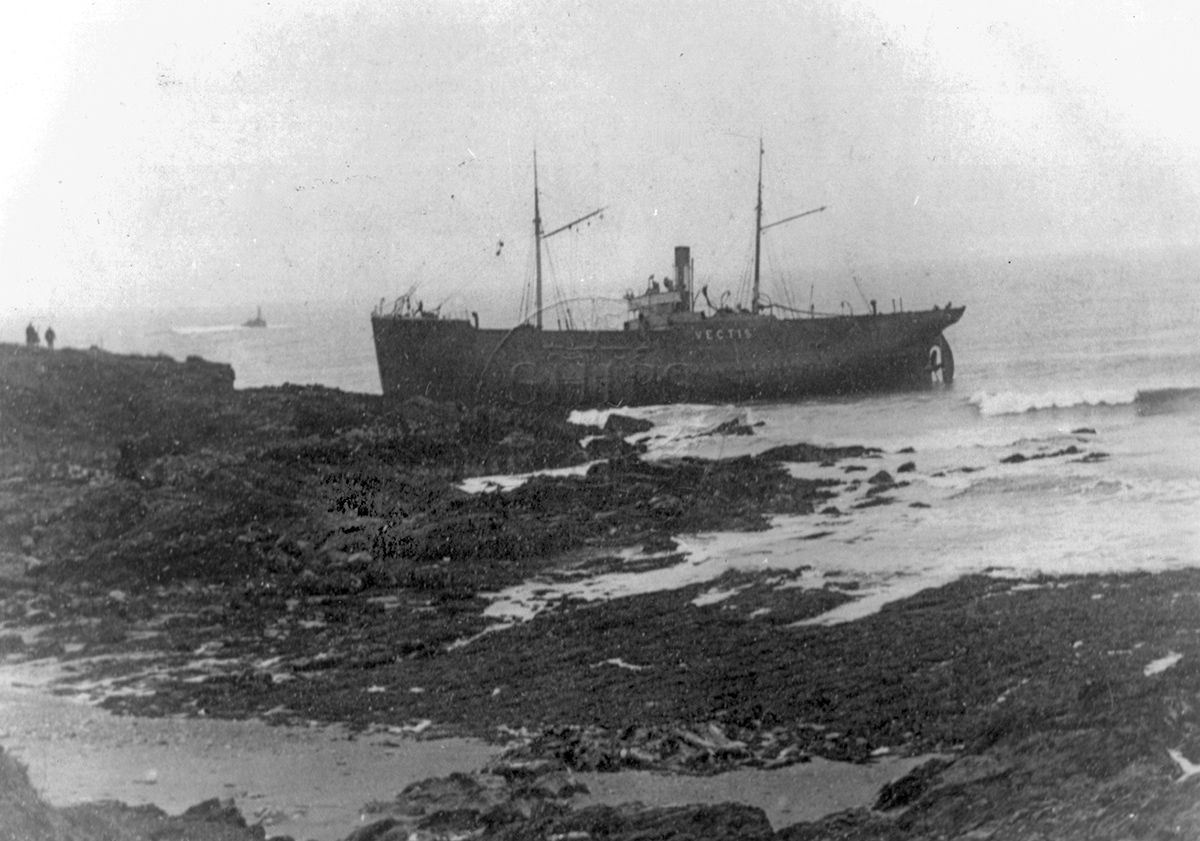
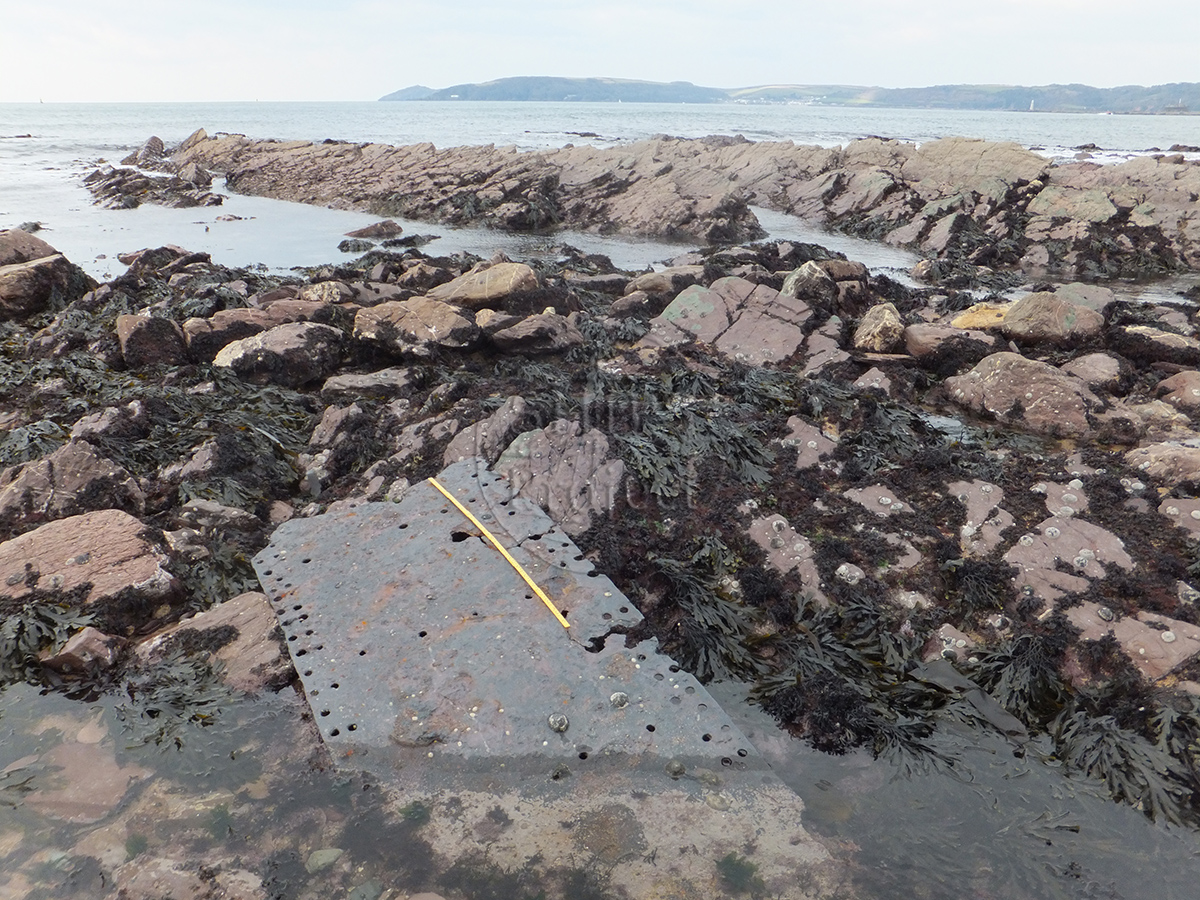
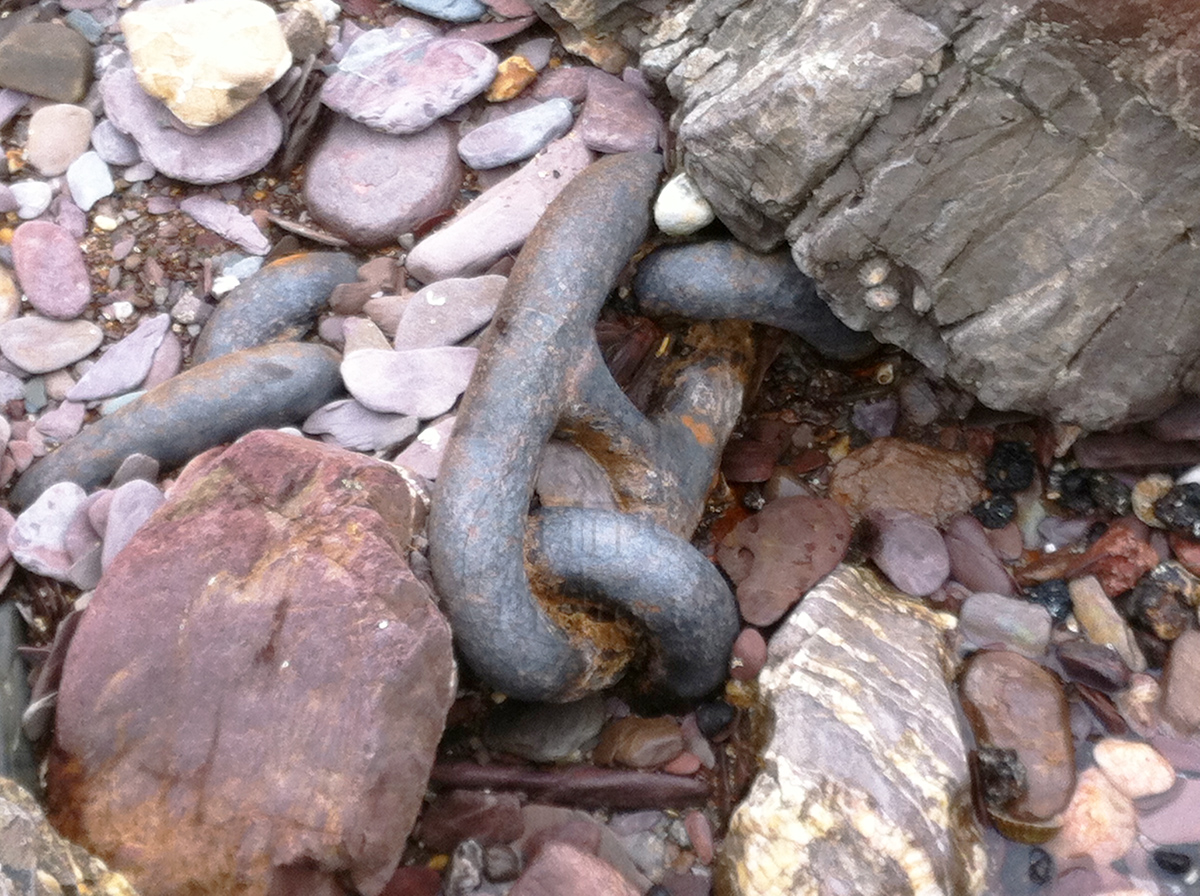
Image use policy
Our images can be used under a CC attribution non-commercial licence (unless stated otherwise).