Not Set
Royal Navy WW1 Torpedo Boat Destroyer sunk off Plymouth under tow to Devonport after hitting a mine off the Eddystone.
Type
Torpedo Boat Destroyer
History
In 1900, at the turn of the century, the Royal Navy had not been in a major sea battle in nearly 100 years. Many of the old skills had been lost, and the battlefield had changed dramatically with the development of steam power, big naval guns, armour and torpedoes. The development of what was then called the 'locomotive' torpedo changed the Navy’s development strategy to include vessels that could fire torpedoes at the enemy, but it soon became apparent that they also needed defence against hostile torpedo-carrying boats - so the Torpedo Boat Destroyer was created.
HMS Foyle was built in 1903 at the Cammell Laird shipyard in Birkenhead, one of the earlier developments of this class, which differed slightly in design and machinery. Foyle was launched on 25th February 1903, and commissioned on 1st March 1904 with pennant number N44, switching to pennant D20 from September 1915. The ship had a long, narrow hull 68.6m long but only 10.2m wide, her coal-fired triple expansion steam engines developed 7000hp, and she could achieve a maximum speed of 25.5 knots. Foyle was armed with four 12 pdr guns, one on the bow, one on each side and one on the stern, and had two 18-inch torpedo tubes with one mounted between the funnels and one mounted aft.
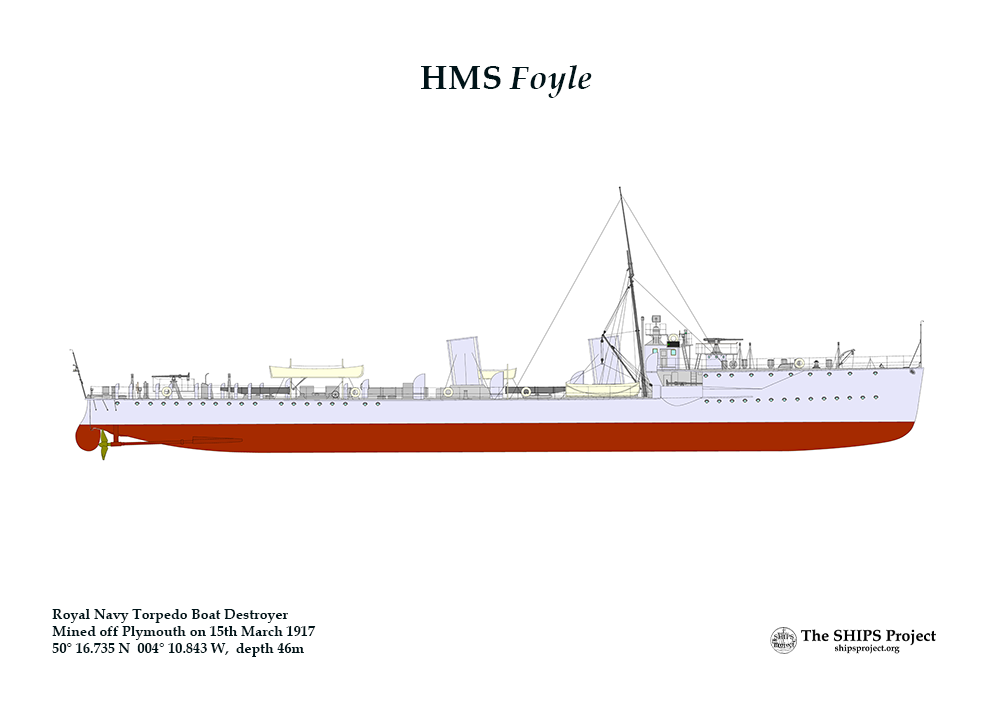
Drawing of HMS Foyle, click the image for a larger version
At the outbreak of the war, HMS Foyle was stationed at Dover and operated with the Dover Patrol, a collection of seven Tribal class destroyers, 13 older destroyers, armed trawlers, armed drifters, yachts and auxiliary craft. Operating in the southern North Sea and straits of Dover, the Dover Patrol was a key element in the defence of England’s shores and in maintaining the blockade of Germany. Foyle was assigned to the 1st Destroyer Flotilla in August 1915 and redeployed to Portsmouth in November 1916. The age-old but forgotten ship convoy system was reintroduced in 1917 in response to increasing German U-boat attacks, and the 1st Flotilla was employed as escorts for convoys up and down the English Channel for the remainder of the war.
The official account of Royal Navy vessels lost in WW1 states that on 15th March 1917, the bow section of the Foyle was blown off by a German mine in the Dover Straits, killing 27 of the 70 crew on board. However, the captain’s report and Admiralty telegrams sent at the time state that the ship was patrolling the area off Devon known as the eastern area at that time. In the captain's report, Lt. A.H.D. Young said that early in the morning of 15th March, Foyle hit a contact mine when just over 3 miles to the east of the Eddystone lighthouse, at position 50°11'N 03° 58'W. The minefield was probably laid by the German submarine UC-68 on the night of the 13th/14th March.
The huge explosion heavily damaged the ship on the port side bow and destroyed some of the mess decks forward, killing 27 sleeping sailors. The ship started taking on water in two boiler rooms, so damage control parties shored up bulkheads and shut watertight doors. Three men had been trapped in the wreckage, two of whom were freed badly injured; however, one could not be reached. The steam collier SS John O'Scott came alongside to help after being signalled by the stricken ship. Most of the crew and all the injured were taken on board the collier, then she took the Foyle in tow stern first to minimise strain on the damaged bow. Destroyers Boyne and Bittern came alongside and transferred men and equipment that were used to free the trapped crewman. The tug Illustrious arrived from Devonport to offer assistance, the tow line was transferred, and they began the slow journey towards Devonport. However, at 2:10 pm, the Foyle started to settle by the head, and she sank to the bottom.
Those who lost their lives on HMS Foyle were:
ALLISON, James S, Signalman, RNVR, Clyde Z 2892 ARCHER, Ernest, Petty Officer, J 8776 (Ch) ARNOLD, James, Stoker 2c, K 39076 (Ch) BENNETT, John W, Signalman, 222683 (Dev) BIGSBY, Albert E V, Stoker 2c, K 39200 (Ch) BLOWES, Frank, Stoker 2c, K 39054 (Ch) BUTLER, Arthur W, Stoker 1c, K 25143 (Ch) COATES, Frederick J, Able Seaman, 238829 (Dev) COLE, Harold G, Stoker 1c, K 22752 (Ch) CRITTENDEN, Howard G, Stoker 2c, K 39087 (Ch) DANES, Albert V, Leading Stoker, K 15907 (Ch) DAVIS, Alexander, Stoker 1c, K 26058 (Ch) DAVIS, John H, Stoker 1c, K 17087 (Ch) GANDER, George A, Able Seaman (RFR B 8057), 191637 (Ch) GOATHAM, Augustus, Leading Stoker, 295977 (Ch) HARRIS, Bert, Leading Stoker, K 11503 (Ch) HATFIELD, John I, Boy Telegraphist, J 48937 HERBERT, James J, Leading Seaman, 227334 (Ch) HULFORD, Sidney A, Stoker 1c, SS 115470 (Ch) MCDONNELL, George F, Fireman, MMR, 905338 MCKEOWN, Eugene G, Act/Engine Room Artificer 4c, M 18497 (Ch) MIDDLETON, James W, Stoker 1c, SS 115383 (Ch) PEARSON, John A, Able Seaman, J 29658 (Ch) PEEK, Samuel, Stoker 1c, 230201 (Ch) RICKARBY, Arthur J, Able Seaman, J 29663 (Ch) ROAKE, Arthur, Able Seaman (RFR B 8843), SS 1940 (Ch) RUSSELL, Alfred, Act/Engine Room Artificer 4c, M 19746 (Ch) SMITH, Henry G, Able Seaman (RFR B 5534), SS 342 (Ch) STEARN, Sydney J, Leading Signalman, 194902 (Ch) WOODLEY, Edward A, Ordinary Seaman, RNCVR, VR 2688.
This is a condensed version of the story. For more information, please contact The SHIPS Project.
Diving the Foyle
The location of the wreck was known to anglers in the 1960s and was known as the ‘Torpedo Boat’ to some and 'The Ledges' to others. It is not clear who first dived the wreck. One story says that boatman Richard Floyd took Plymouth diver John Kelly out to the Foyle, Kelly retrieved one of the tread plates cast with the name Foyle and the wreck was identified. The claim to have first dived the wreck is also made by members of Kingston BSAC dive club who first dived it in August 1970 and identified the ship by the name stamped on her propellers along with a brass nameplate recovered in 1972.
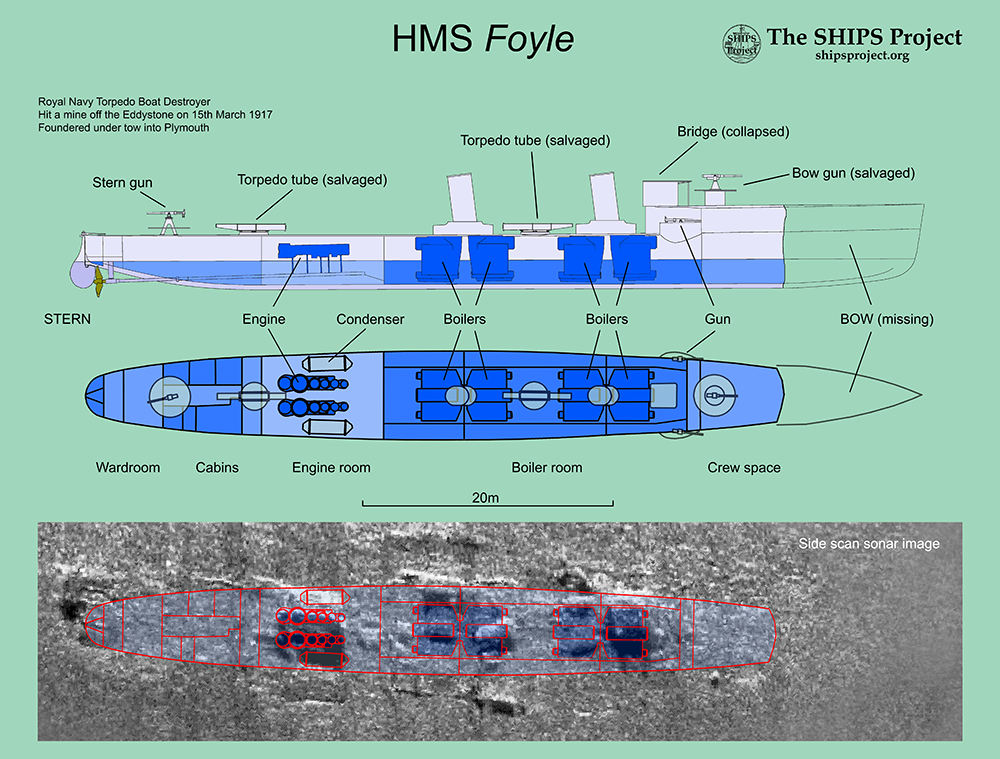
Site plan of HMS Foyle, click the image for a larger version
In the 1980’s the armoured conning tower was removed along with the forward 12 pdr gun and the emergency steering position; however, the bottom part of the conning tower, along with the helm, telegraph and other fittings, did not make it ashore and was lost somewhere between the wreck site and Penlee Point. The conning tower itself, the gun and the steering gear were taken to the Charlestown Shipwreck Museum and put on display.
The Foyle lies heavily broken up on a seabed made of sand and small stones in 46m depth, with her stern to the north-west, upright but with a list of 30 degrees and the port side buried, see the site plan above. The ship was lightly built and was subject to the attentions of many salvors, so the hull has not survived above the level of the seabed. The two engines and the remains of four strangely shaped Yarrow boilers stand 2-3m proud of the bottom, and a propeller shaft leads from one of the engines to the stern. Little remains forward of the boilers as the bow section in front of the bridge is missing. The bow gun was recovered, the starboard gun should still be on the wreck, and the 12pdr gun is visible on the stern.
The Foyle was well-known Plymouth sport diver Roger Dadds' favourite wreck. Roger fished over a site called 'The Ledges' in 1963, not knowing it was the remains of HMS Foyle. Roger relocated the site and dived the wreck in 1985 and visited it again on more than 100 occasions.
The Foyle hit the mine on the port side bow; the huge explosion heavily damaged the bow and destroyed some of the mess decks forward. Sonar records suggest that the forward 10m of the ship is missing. The bow was probably destroyed by the force of the explosion, so it is unlikely that any of the ship remains on the seabed at the location where she hit the mine.
Location and Access
South of Penlee Point
Nearby wrecks include the steamship Unicorn  , patrol ship Medoc , and the pilot vessel W. Woollven .
Last updated 07 January 2026


Information
Date Built:
Launched 25 February 1903
Type:
Laird-type River class Torpedo Boat Destroyer
Builder:
Cammel-Laird, Birkenhead
Official Number:
Royal Navy pennant N44, then D20
Length
226 ft 6 in (69.0 m)
Beam
23 ft 9 in (7.2 m)
Draft
7 ft 9 in (2.4 m)
Construction
Steel
Propulsion
Steam, 2 × triple expansion engines driving 2 shafts producing 7,000 shp
Tonnage
625t displacement, full load
Nationality
British
Crew
70
Master
Lt. A.H.D Young
Owners
Royal Navy
Portmarks
None
Date of Loss
15th March 1917
Manner of Loss
Mines
Outcome
Stern sank under tow, partly salvaged
Reference
UKHO 17634, NMR 919766
The Way They Have in the Navy, 1899:
But the torpedo boats were in evil case. I watched them through my glasses as they split the advancing seas, rushing clean through those masses of water amid a white cloud of foam that hid them from sight. Knowing the conditions of life on board these tiny steel shells, even under the most favourable circumstances, I was filled with pity for their miseries. Most of all for the ‘tiffys’ in charge of those vibrating, coffin-like boxes of tearing machinery within a few inches of which they must crouch amid a steady shower of oil, blinding sweat, and a temperature of about 150 deg. Knowing too, that 1-16th of an inch of steel is all that divides them from the hungry waves without.
Diving HMS Foyle:
Video of HMS Foyle by Richard Knights in 2017
Not Set
Leave a message
Your email address will not be published.
Click the images for a larger version
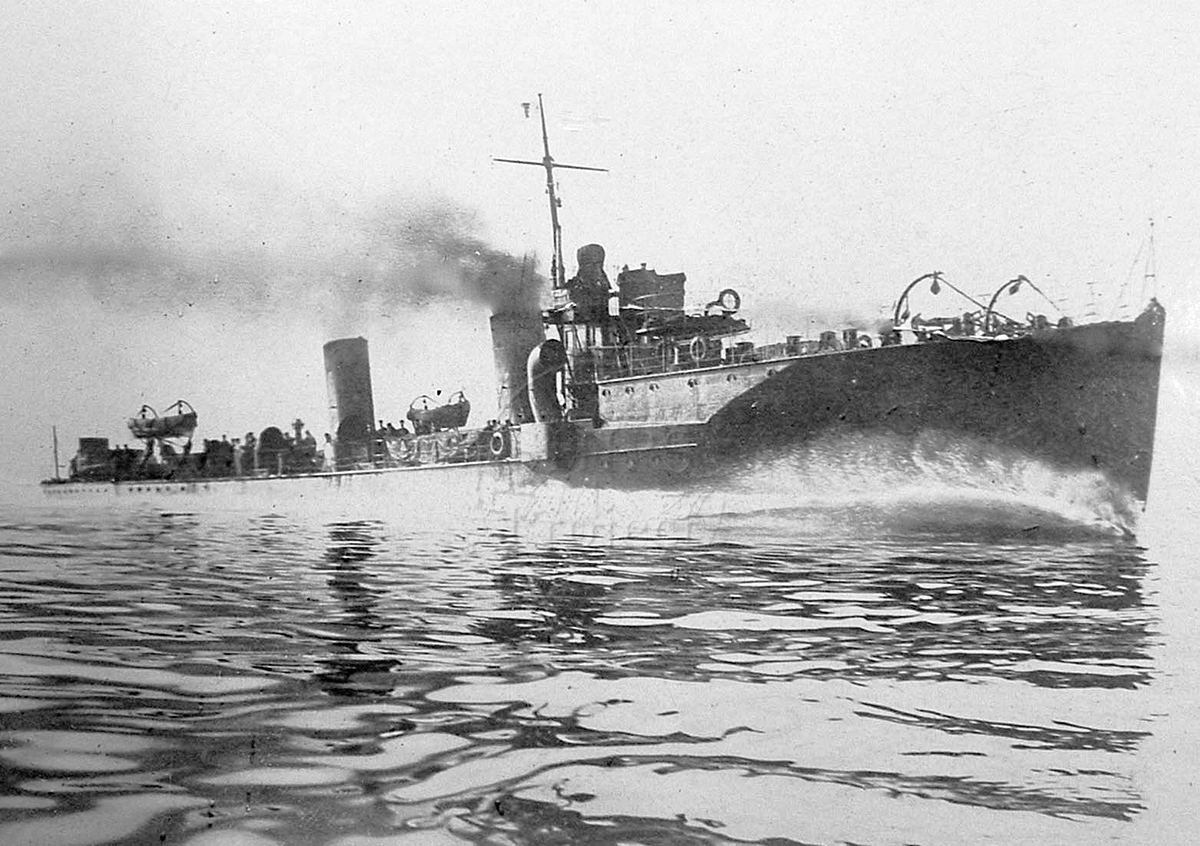
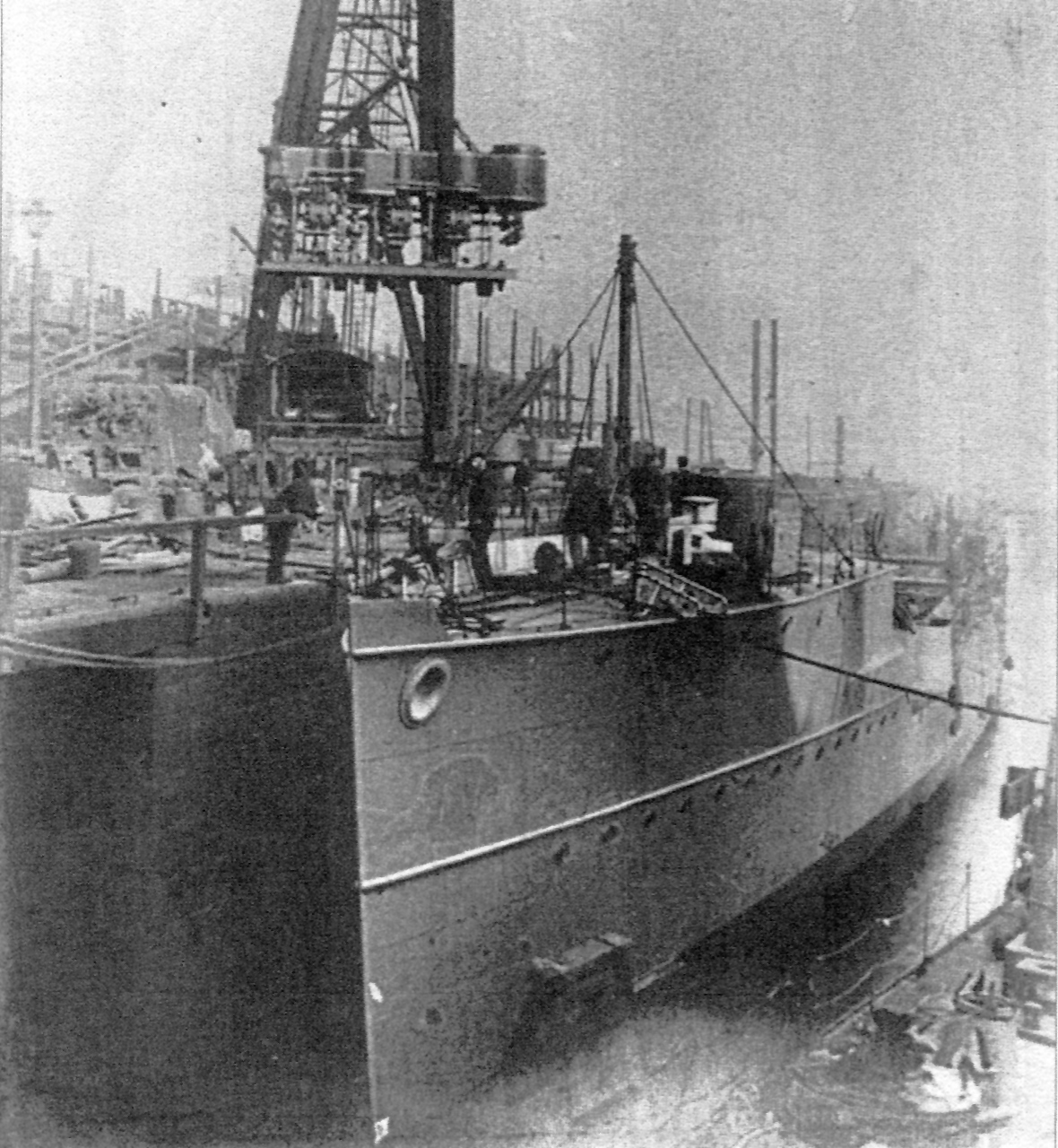
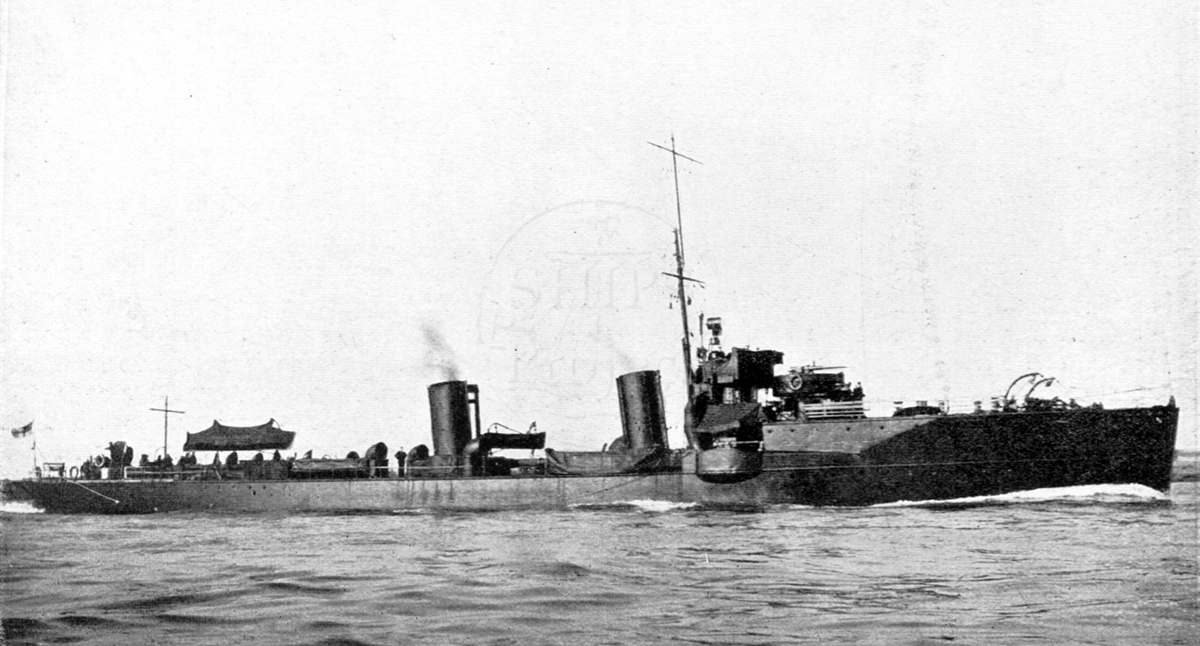
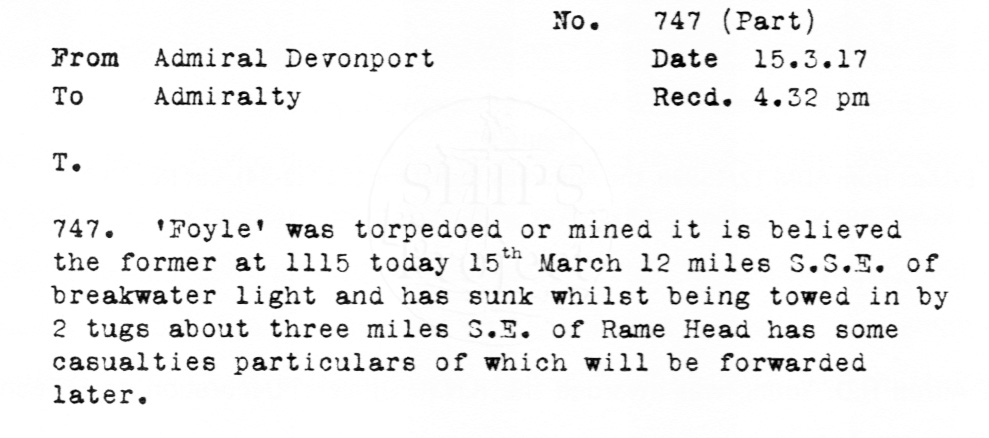
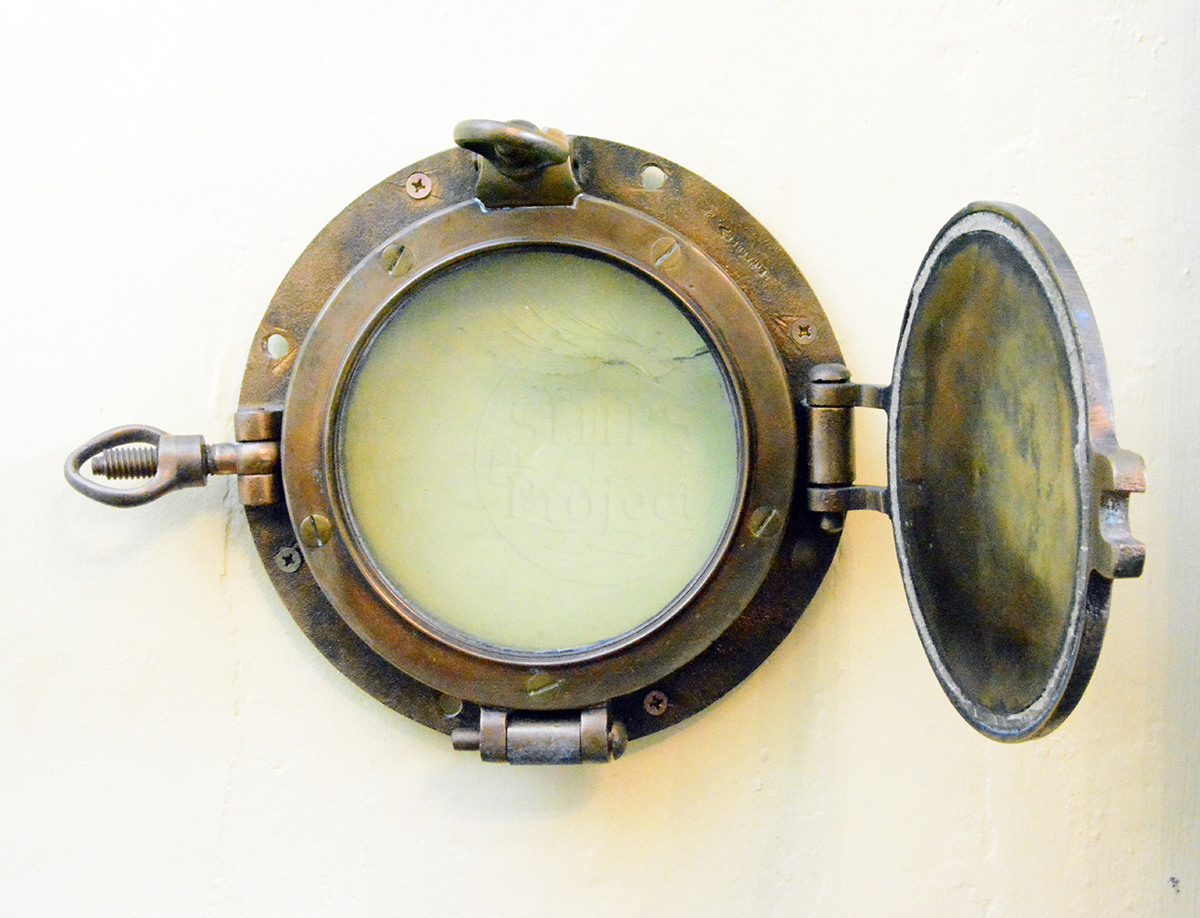

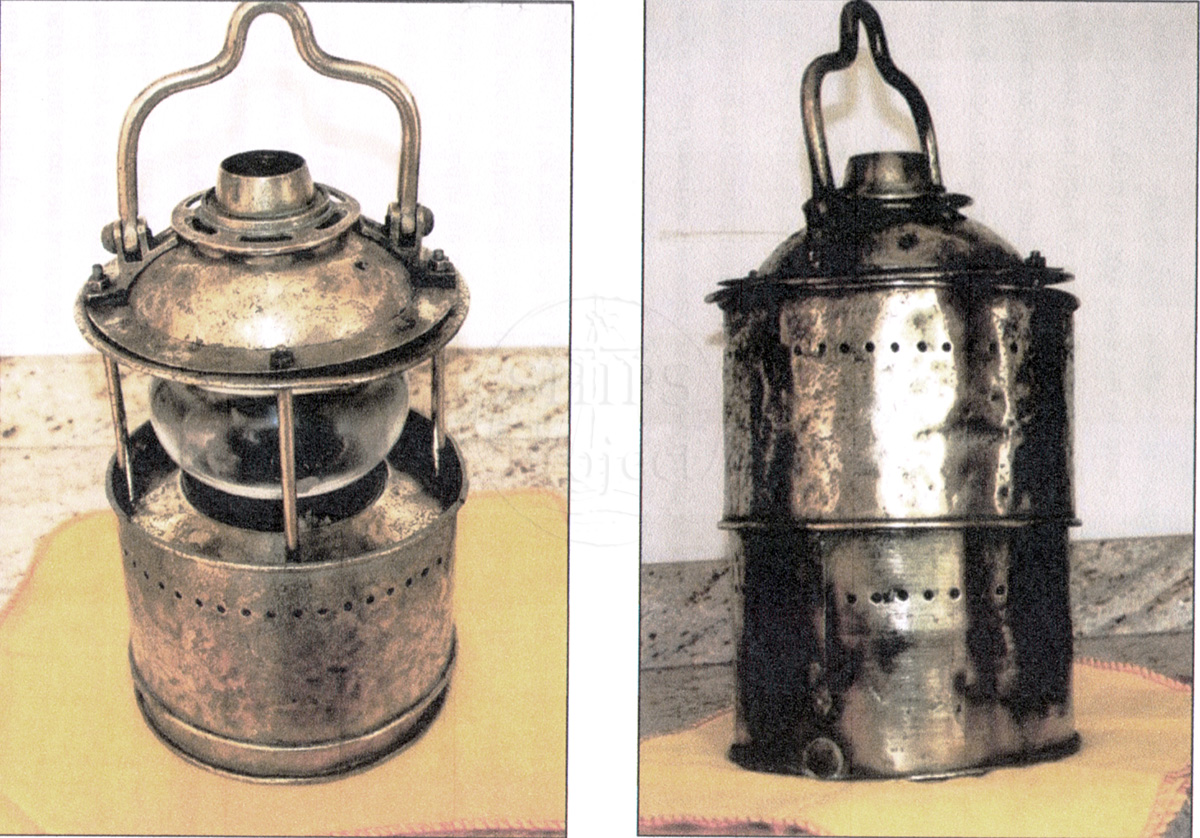
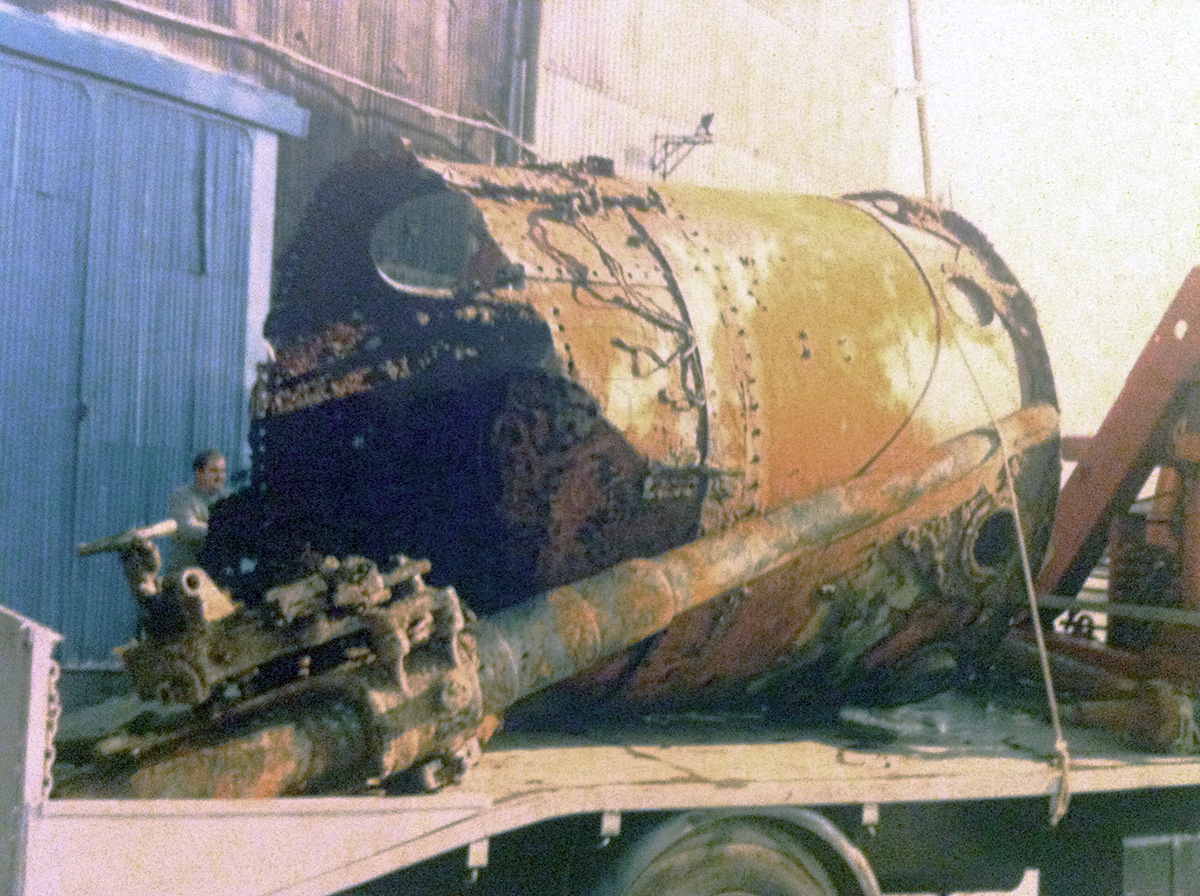
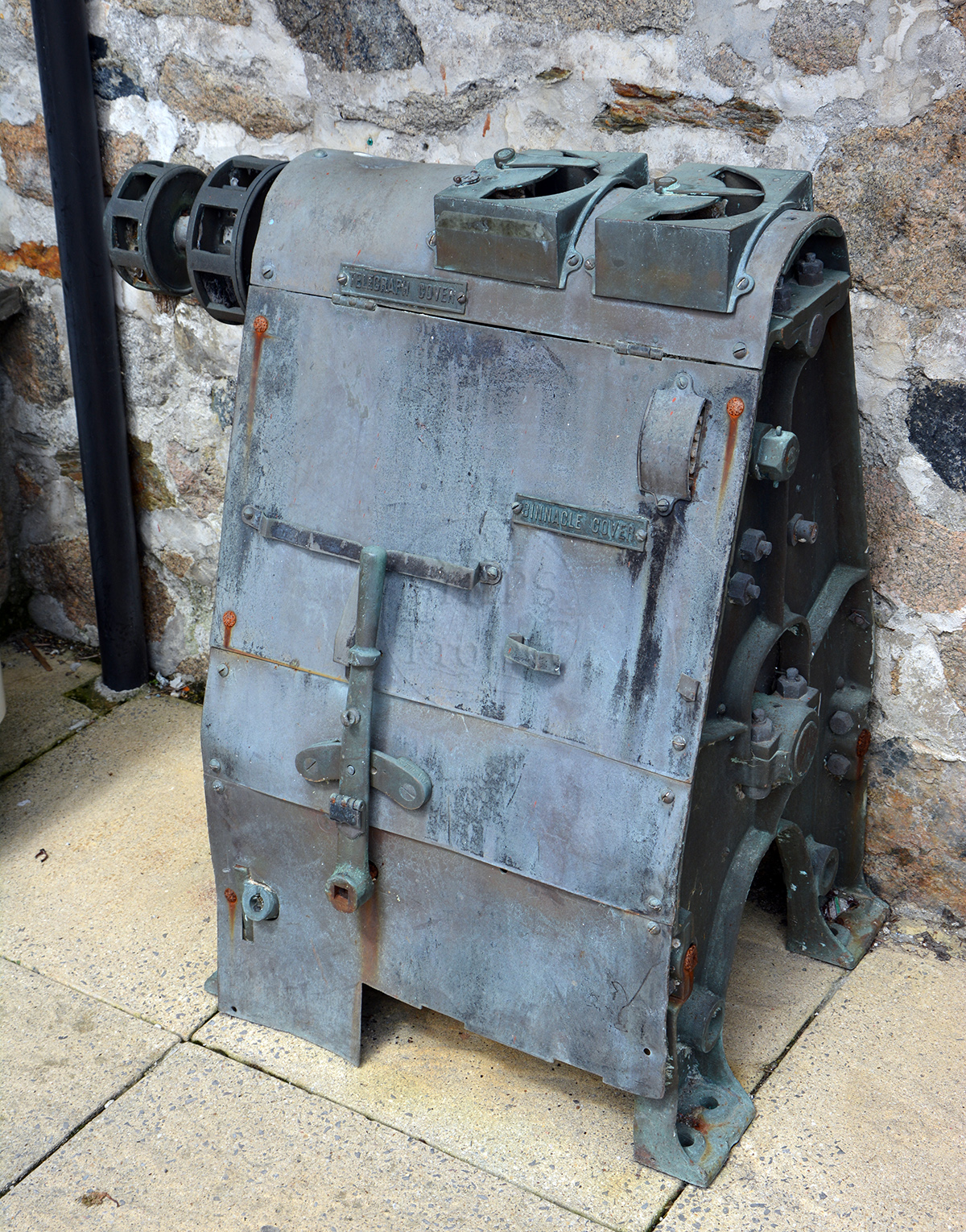
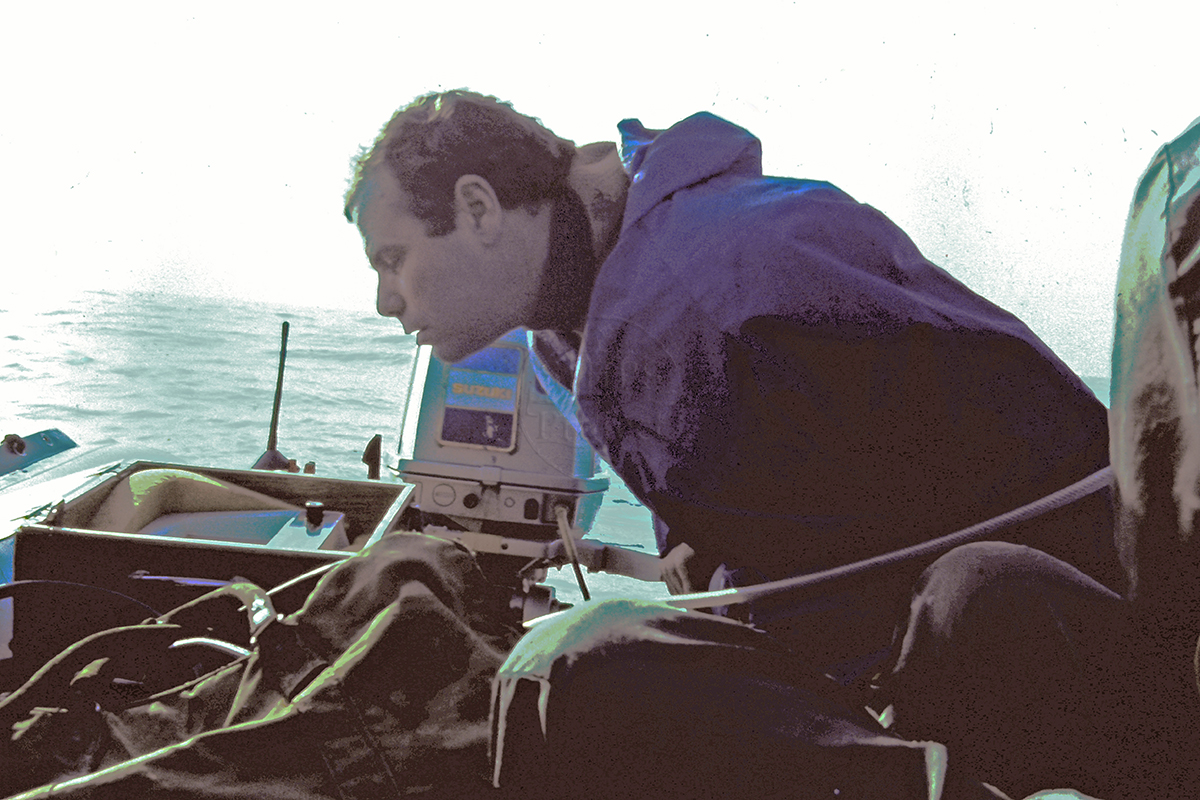
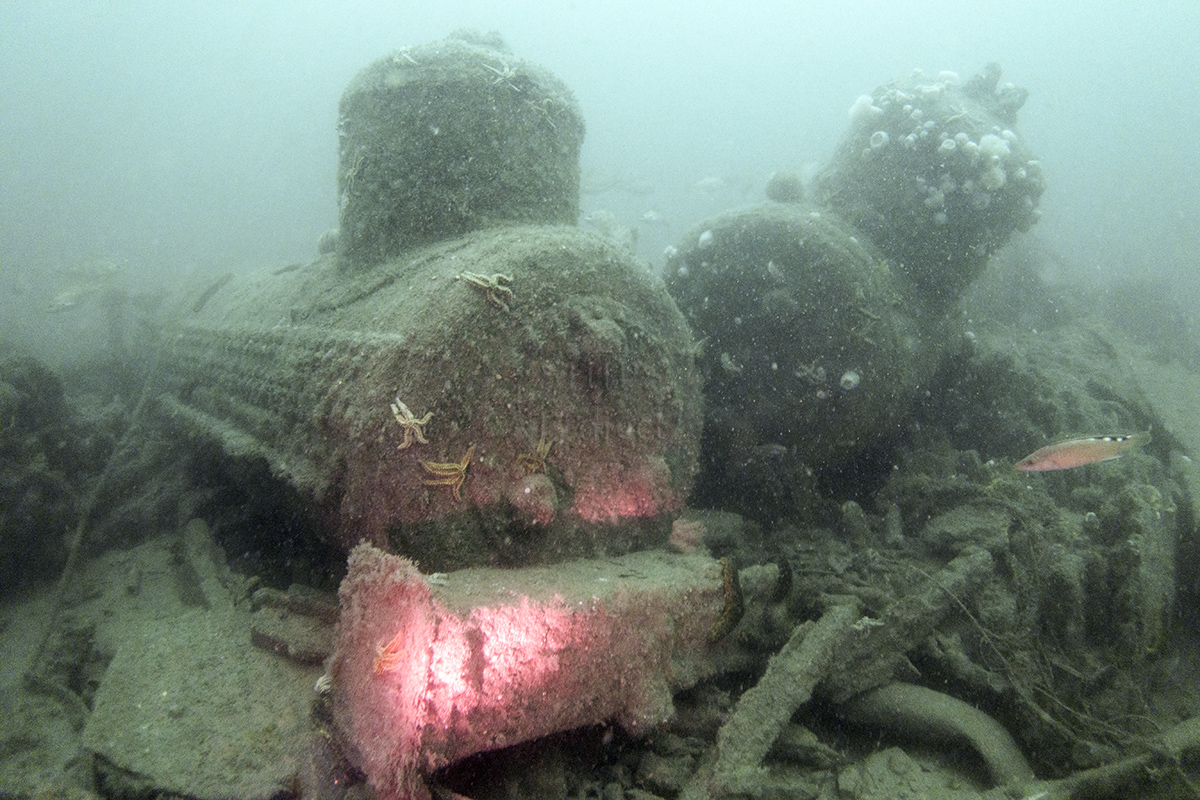
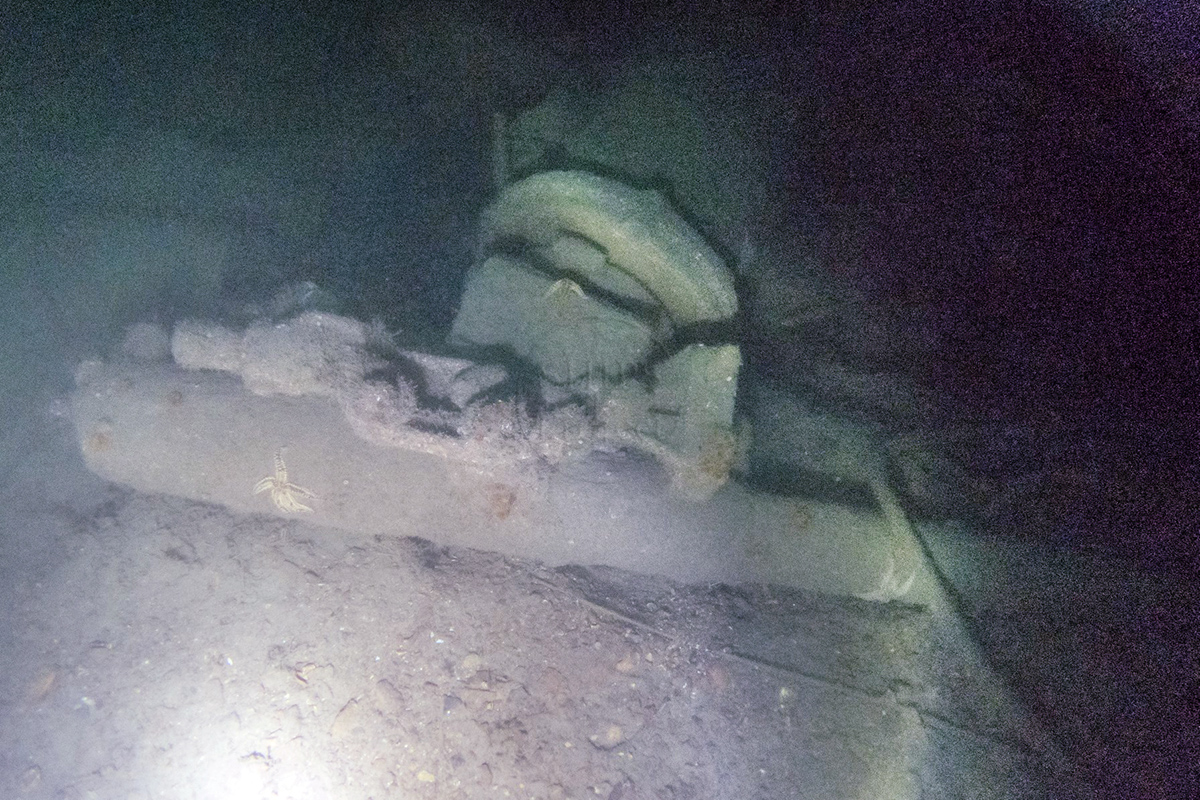
Image use policy
Our images can be used under a CC attribution non-commercial licence (unless stated otherwise).